
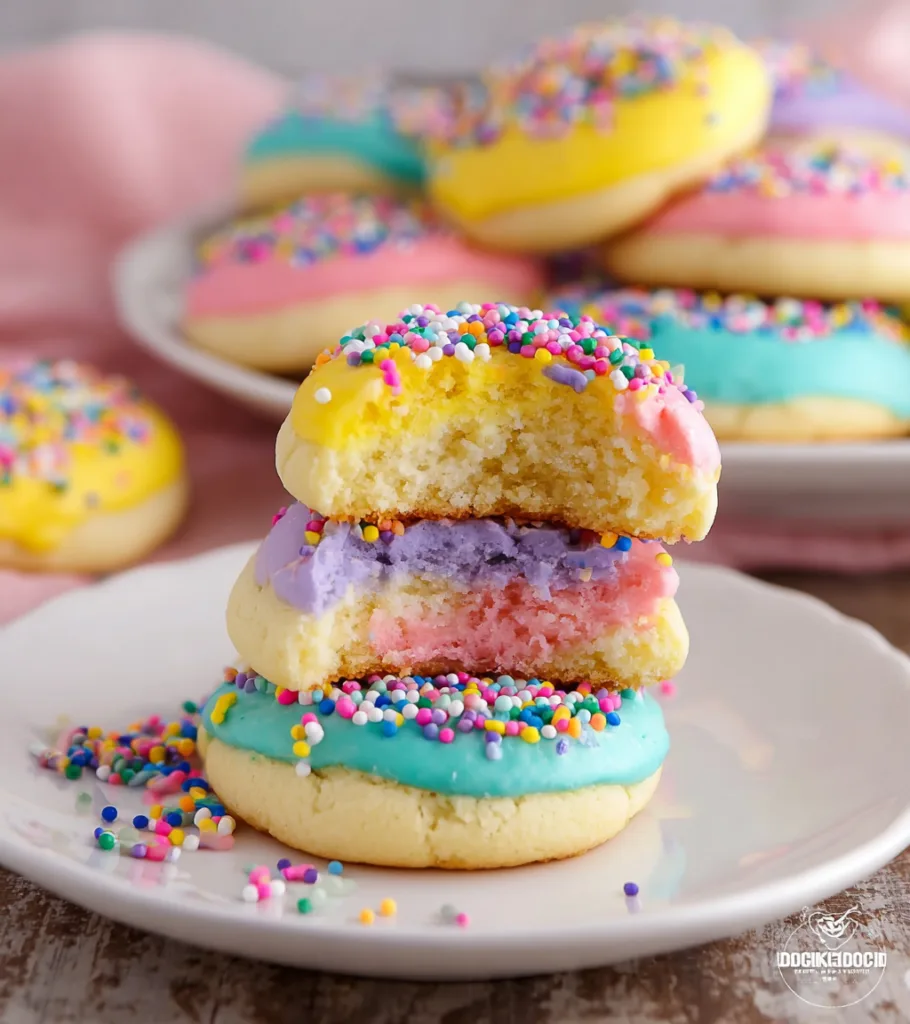
For many Italian families, the arrival of spring is synonymous with the aromatic scent of almond and vanilla wafting from the kitchen. These Italian Easter Cookies, traditionally known as Taralli Dolci di Pasqua, are more than just a dessert; they are a cherished ritual. Unlike the crunchy biscotti often associated with Italian baking, these cookies are remarkably soft, boasting a cake-like interior that practically melts on the tongue. Adorned with vibrant pastel glazes and a generous dusting of nonpareils, they bring a sense of joy and celebration to any holiday platter. Whether you grew up with a “Nonna” who made these by the dozens or you are looking to start a new tradition, this recipe delivers the perfect balance of nostalgia and flavor. Get ready to experience the most pillowy, tender cookie you’ve ever tasted.
Why You’ll Love This Recipe
You will fall in love with these cookies because they strike the perfect balance between simplicity and sophistication. First, the texture is unparalleled—they are thick, soft, and almost dough-y in the center, reminiscent of a high-end bakery muffin but in cookie form. Second, the flavor profile is customizable; while we use a blend of vanilla and almond, they are equally delicious with a hint of anise or lemon. Finally, this recipe is incredibly user-friendly. There is no chilling time required for the dough, meaning you can go from mixing bowl to oven in less than twenty minutes. They are the ultimate “make-together” treat for families.
What Is an Italian Easter Cookie?
Italian Easter Cookies are a staple of Southern Italian confectionery. Historically, these cookies were often formed into braids or wreaths to symbolize eternal life and the resurrection. Unlike American sugar cookies, which can be crisp or chewy, the Italian version is “biscotti-like” only in shape. The crumb is tight yet tender, similar to a scone or a “drop” cake. Traditionally flavored with anise (black licorice flavor), many modern versions—like this one—utilize almond and vanilla to appeal to a wider range of palates. The signature look is a white or pastel glaze topped with “diavolilli” (tiny colored sprinkles), making them instantly recognizable on a holiday dessert table.
Ingredients Overview
To achieve the perfect bake, understanding your ingredients is key. We use unsalted butter at room temperature to ensure it creams perfectly with the granulated sugar, creating those tiny air pockets necessary for a soft lift. Large eggs provide structure and richness, while the combination of vanilla and almond extracts offers that classic “bakery” aroma that defines Italian sweets.
The dry base consists of all-purpose flour, which provides enough gluten for the cookies to hold their shape without becoming tough. Baking powder is our leavening agent, giving them a gentle puff. For the icing, powdered sugar creates the base, but the secret ingredient is light corn syrup. The syrup adds a beautiful professional sheen and prevents the icing from becoming too brittle or chalky once it sets. Finally, gel food coloring is superior to liquid drops because it provides intense color without thinning out the consistency of your glaze.
Ingredient Substitutions & Tips
If you want to vary the flavor, the most traditional substitution is replacing the almond extract with anise extract. This gives the cookies a classic licorice finish favored in many Italian regions. For a citrus twist, replace the extracts with lemon zest and fresh lemon juice in both the dough and the glaze. If you are gluten-free, a high-quality 1:1 gluten-free flour blend works well here, though you may need to add an extra tablespoon of milk as GF flours tend to be more absorbent. For a dairy-free version, use a vegan butter block and almond milk; the results remain remarkably close to the original.
Step-by-Step Instructions
- Preparation: Begin by preheating your oven to 350°F (175°C). Line two large baking sheets with parchment paper or silicone mats. This ensures the bottoms don’t brown too quickly.
- Creaming: In a large mixing bowl or stand mixer, beat the room-temperature butter and sugar together for about 2-3 minutes until the mixture is pale and fluffy.
- Emulsifying: Add the eggs one at a time, beating thoroughly after each addition. Pour in the vanilla and almond extracts along with the first tablespoon of milk. Don’t worry if the mixture looks slightly curdled; it will come together once the flour is added.
- Dry Ingredients: Sift the flour, baking powder, and salt. Gradually add the dry ingredients to the wet ingredients, alternating with the remaining milk. Mix on low speed just until the white streaks of flour disappear.
- Shaping: Use a 1.5-tablespoon scoop to ensure even sizing. On a lightly floured surface, roll the dough into a 6-7 inch log. For knots, gently loop the dough over itself. For donuts, simply join the ends.
- Baking: Place the cookies 2 inches apart on the tray. Bake for exactly 9 minutes. The tops will look pale, but the bottoms should be a very light golden brown.
- Glazing: Once the cookies are completely cool, whisk the powdered sugar, milk, corn syrup, and extract until smooth. Dip the tops, let the excess drip off, and immediately garnish with sprinkles before the icing sets.
Expert Baking Tips
To ensure success every time, remember that temperature is everything. If your butter is too cold, it won’t cream; if it’s melted, the cookies will spread. Always use room-temperature eggs to maintain the emulsion. Another critical tip is to avoid over-flouring your work surface. If you incorporate too much extra flour while rolling the “logs,” the cookies will become dry and heavy rather than light and airy. Finally, use gel colors for the icing. Liquid colors from the grocery store can make the glaze too runny, making it difficult to get that thick, opaque coating that looks so professional on these holiday treats.
Shaping Techniques: Knots vs. Donuts
The beauty of Italian Easter cookies lies in their rustic, handcrafted shapes. The knot shape is perhaps the most traditional. To achieve this, roll the dough into a rope, then make a “U” shape. Cross one end over the other and tuck the tip through the hole, just like tying a simple knot. Don’t pull it tight! The dough will expand in the oven, filling in the gaps. For the donut shape, you can either pinch the ends of a rope together or use the “thumbprint” method: roll the dough into a ball, press your thumb through the center, and gently stretch the ring. Both shapes hold the glaze beautifully in their crevices.
Serving Suggestions
These cookies are traditionally served as part of a large Easter Sunday “Dolce” spread. They pair exquisitely with a hot cup of espresso or a frothy cappuccino, as the soft crumb is perfect for a quick dip in the coffee. For a festive look, arrange them on a tiered platter, alternating the colors (pink, purple, yellow, and blue). They also make wonderful gifts; simply clear-wrap a small stack with a pastel ribbon for a thoughtful, homemade holiday gesture.
Storage & Make-Ahead Tips
Italian Easter Cookies stay fresh and soft for a surprisingly long time. Store them in an airtight container at room temperature for 4 to 5 days. If you want to make them further in advance, you can freeze the un-iced baked cookies for up to a month. When ready to serve, thaw them at room temperature and then apply the fresh glaze. Once glazed, I do not recommend freezing as the moisture can cause the icing to become sticky or the colors to bleed.
FAQs
Q: Can I use Anise instead of Almond?
A: Absolutely! Anise is the most traditional flavor for these cookies. Use the same measurements (1 teaspoon) for an authentic licorice-flavored treat.
Q: Why are my cookies dry and tough?
A: This usually happens if you overbake them or add too much flour during the shaping process. Bake only until the bottoms are pale gold; the tops should remain white.
Q: Why did my glaze run off the cookies?
A: Your glaze was likely too thin. Add more powdered sugar, one tablespoon at a time, until it reaches a thick, honey-like consistency. Also, ensure the cookies are 100% cool before dipping.
Q: Do I need to refrigerate the dough?
A: No, this dough is designed to be used immediately. If your kitchen is very warm and the dough feels too soft to handle, you can chill it for 15 minutes, but it isn’t strictly necessary.
Q: Can I use liquid food coloring?
A: You can, but use it sparingly. Liquid coloring adds moisture, so you may need to add a bit more powdered sugar to compensate for the change in consistency.
Making Traditional Italian Easter Cookies is a joyful way to welcome the spring season. With their soft, cake-like texture and cheerful sprinkles, they are guaranteed to be the star of your holiday dessert table. This recipe proves that you don’t need complex techniques to create something truly spectacular. Just remember to keep the bake time short and the glaze thick. Happy baking, and Buona Pasqua to you and your family!
Print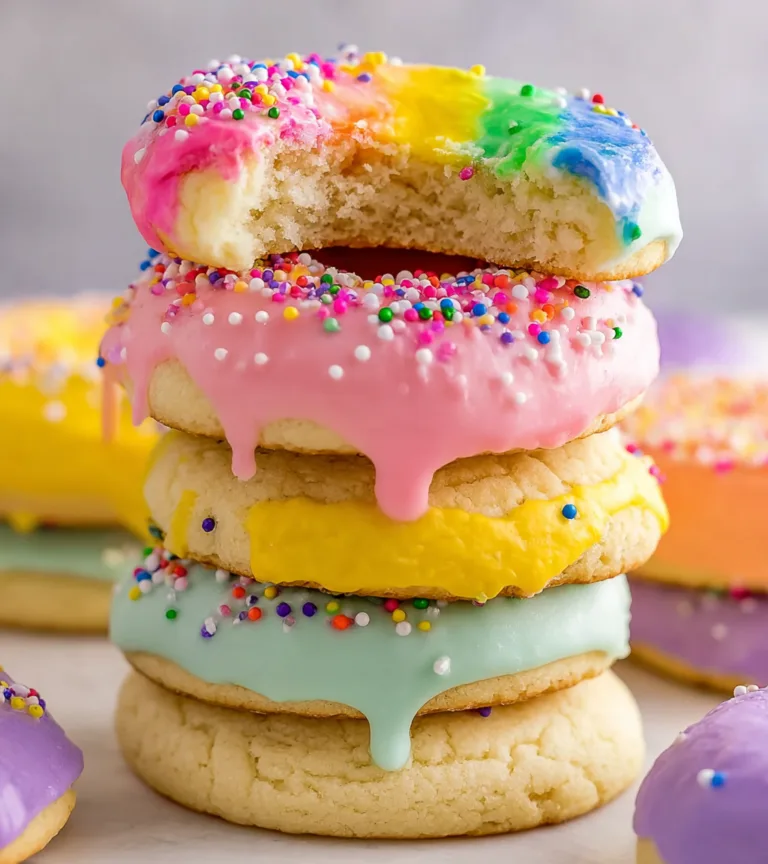
Traditional Italian Easter Cookies
Soft, pillowy Italian Easter Cookies (also known as Taralli Dolci) that melt in your mouth. These are flavored with almond and vanilla and topped with a bright, festive glaze.
- Total Time: 30
- Yield: 24
Ingredients
6 tbsp unsalted butter, room temperature
1/2 cup granulated sugar
2 large eggs, room temperature
2 tsp vanilla extract
1 tsp almond extract
2 tbsp whole milk
2 cups all-purpose flour
2 tsp baking powder
1 tsp salt
3 cups powdered sugar (icing)
2–4 tbsp whole milk (icing)
2 tbsp light corn syrup (icing)
1 tsp almond extract (icing)
Gel food coloring (purple, pink, blue, yellow)
Rainbow sprinkles
Instructions
1. Preheat oven to 350°F. Line baking sheets with parchment paper.
2. In a large bowl, beat butter and sugar until light and fluffy.
3. Add eggs one at a time, beating well after each. Mix in vanilla and almond extracts.
4. Sift flour, baking powder, and salt together.
5. Alternately add milk and flour mixture to the butter mixture, starting and ending with flour. Mix until just combined.
6. Scoop 1.5 tbsp of dough, roll into a 6-inch log, and shape into a knot or donut.
7. Bake for 9 minutes until bottoms are barely golden.
8. Whisk icing ingredients until smooth. Divide and color with gel.
9. Dip cooled cookies into glaze, add sprinkles, and let set.
Notes
Do not overwork the dough to keep them tender.
Use a light hand with flour when shaping.
Store in an airtight container for up to 5 days.
- Prep Time: 20
- Cook Time: 10
- Category: Dessert
- Method: Baking
- Cuisine: Italian