Homemade salsa is the ultimate crowd-pleaser—bright, zesty, spicy, and packed with fresh flavor in every bite. Whether you’re scooping it with crunchy tortilla chips or drizzling it over tacos, burritos, or grain bowls, nothing compares to the punchy kick of salsa made from scratch. In this comprehensive guide, we’ll show you exactly how to make a chunky, flavor-rich salsa at home using fresh tomatoes, bold seasonings, and a touch of citrus. Plus, we’ll dive into different variations, storage tips, and the best ways to serve it.

What Makes Salsa “Homemade” Compared to Store-Bought?
Table of Contents
Homemade salsa is made using fresh, raw or lightly cooked ingredients, blended or chopped together to create a vibrant mix of flavors. Unlike store-bought salsa, which often contains preservatives, added sugar, or over-processed vegetables, homemade salsa puts freshness first. When you make salsa at home, you control every element—from the type of tomatoes to the level of heat.
It’s not just about tossing a few things in a blender. It’s about balancing acidity, spice, sweetness, and salt, crafting something that bursts with flavor and doesn’t taste like it came from a jar.
Why Homemade Salsa Tastes Fresher and Better
Let’s be real—fresh ingredients make a massive difference. Store-bought salsas are often pasteurized for shelf life, which zaps the brightness out of your produce. Homemade salsa, on the other hand, keeps everything raw or lightly pulsed, locking in bold tomato flavor, zingy lime juice, and the fragrant bite of fresh cilantro and garlic.
Here’s why making your own salsa is a flavor win:
| Feature | Store-Bought Salsa | Homemade Salsa |
|---|---|---|
| Flavor | Cooked & preserved | Fresh & vibrant |
| Texture | Often pureed | Chunky or customizable |
| Ingredients | Stabilizers & sugar | Fresh produce & spices |
| Shelf life | Long (weeks/months) | Short (3–5 days refrigerated) |
Plus, you can customize it endlessly—go mild or fiery, sweet or smoky, chunky or smooth.
Don’t miss our zesty take on Sizzling Spaghetti, another flavor-packed dish.
Ingredients for the Best Homemade Salsa
Must-Have Fresh Ingredients in Salsa Recipes
When it comes to crafting an unforgettable homemade salsa, every ingredient counts. You don’t need a long list—just the right combo of fresh, quality produce and spices. Let’s break down the essentials:
- Tomatoes (1 pound Roma or small tomatoes): These are the base. Roma tomatoes are preferred because they’re less watery and have richer flavor.
- White Onion (¼, chopped): Adds sharpness and bite, balancing out the acidity.
- Garlic (1 clove, chopped): A single clove packs major depth and earthiness.
- Jalapeño (1, chopped, seeds optional): Brings the heat. Leave in the seeds for extra spice.
- Fresh Cilantro (¼ cup): Delivers a citrusy, herbal freshness.
- Lime (juice + zest of 1): Adds brightness and acidity to bring everything alive.
- Sea Salt (½ tsp): Enhances and rounds out the flavors.
- Ground Cumin (¼ tsp): A subtle smoky warmth that makes the salsa addicting.
- Pinch of Sugar: Balances acidity and spice with a hint of sweetness.
Pro Tip: Rinse the chopped onion under cold water before adding—it tames the sharpness and enhances the flavor.
This simple ingredient lineup creates a fresh, balanced salsa in just minutes.
Flavor Boosters: Garlic, Cumin, and Secret Ingredients Revealed
What gives salsa that “can’t-stop-eating-it” factor? It’s often the supporting ingredients—the ones that don’t always get top billing.
Here’s how each one works its magic:
| Ingredient | Role in Flavor |
|---|---|
| Garlic | Adds deep, savory undertones |
| Cumin | Brings a warm, earthy edge that rounds the acidity |
| Cilantro | Provides fresh, citrus-like contrast to the heat |
| Lime Zest | Intensifies citrusy punch beyond juice alone |
| Sugar | Subtly cuts through acidity and sharpness |
What’s the secret ingredient in homemade salsa? Many home cooks swear by lime zest or a pinch of sugar to take their salsa from good to great. These tiny touches elevate your salsa without overpowering the tomatoes.
And if you’re feeling adventurous, try tossing in a dash of smoked paprika or a roasted red pepper for a sweet, smoky twist.
Discover great ideas like our smoky Charcuterie Nachos for a next-level salsa pairing.
Step-by-Step Guide on How to Make Homemade Salsa from Scratch
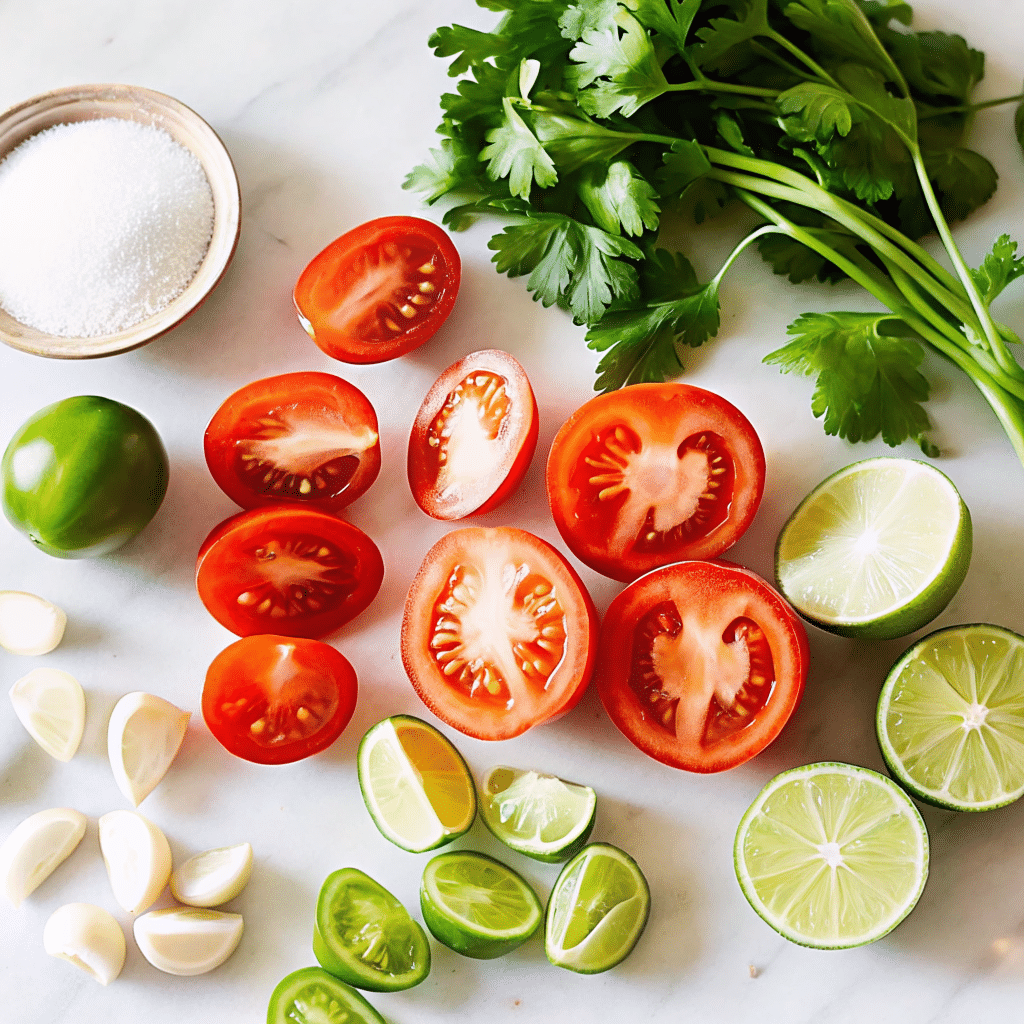
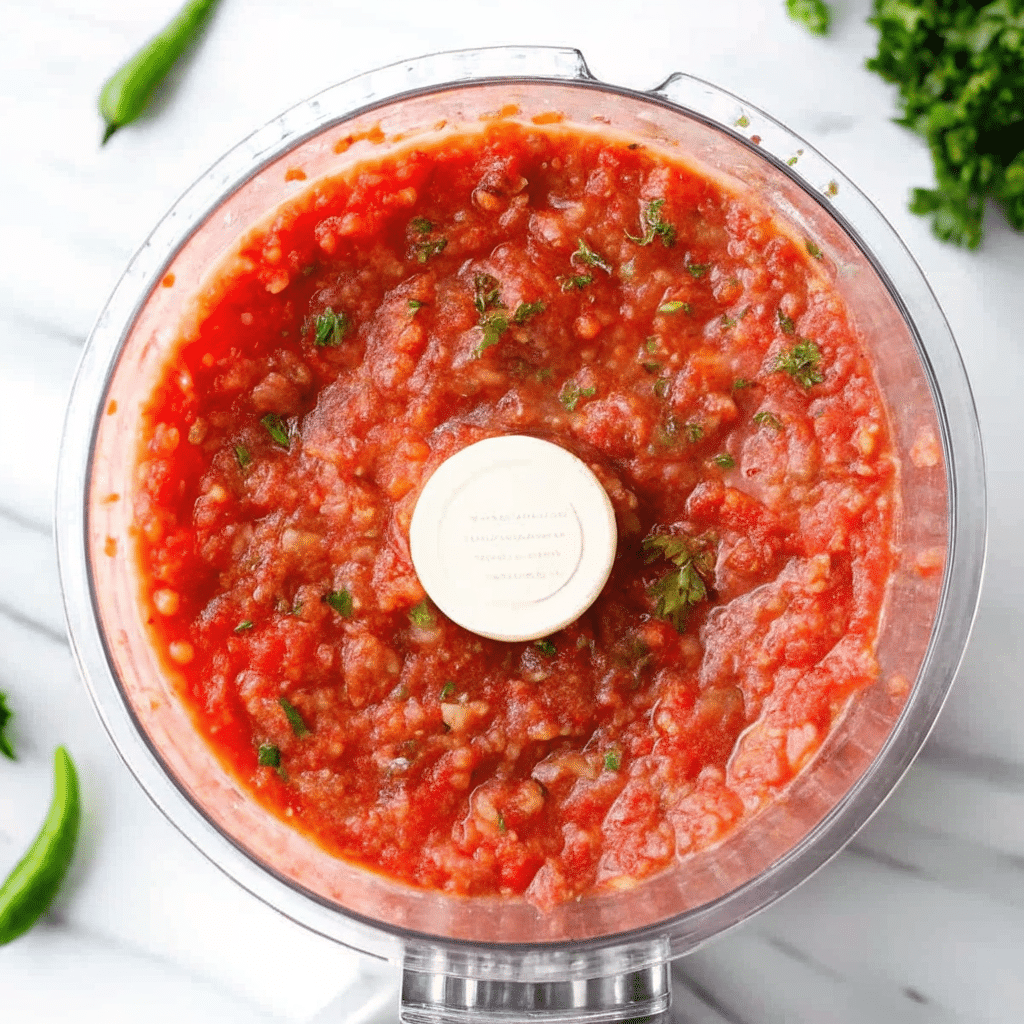
How to Prepare and Chop Ingredients
Making homemade salsa from scratch doesn’t have to be complicated—just follow a simple prep routine, and you’ll have fresh, delicious salsa in under 10 minutes.
Here’s how to prep everything:
- Chop the White Onion (¼): Rinse under cold water to reduce its bite.
- Peel and Chop 1 Garlic Clove: No need to mince—it’ll be processed.
- Cut 1 Pound of Roma Tomatoes into Chunks: Leave seeds in; just make sure the pieces are large and even.
- Chop 1 Jalapeño Pepper: Remove the seeds for milder salsa, or leave them in for a spicy kick.
- Tear or Rough-Chop ¼ Cup Fresh Cilantro: Include stems for extra flavor.
- Juice and Zest 1 Lime: Zest first for ease, then juice it all.
- Measure Spices: ½ tsp sea salt, ¼ tsp ground cumin, and a pinch of sugar.
This mise en place step makes your blending process smooth and fast.
You don’t need fancy equipment—just a basic food processor or blender.
Blending vs Pulsing: Getting the Perfect Texture
The difference between a sad, watery salsa and a mouthwatering, restaurant-style version is all about texture. Here’s how to get it right:
Instructions:
- Start with Onion and Garlic
- Add both to your food processor.
- Pulse a few times until finely chopped.
- Add Tomatoes, Jalapeño, Cilantro, Lime Juice & Zest, Spices, Sugar
- Don’t over-blend. Pulse 4–6 times, or until the mixture is chunky and combined.
- Check Consistency
- Too watery? Strain half the salsa using a fine-mesh sieve and mix it back in for a thicker result.
- Want it smoother? Pulse a few more times until desired texture is reached.
- Taste & Adjust
- Add more lime juice for brightness, cumin for depth, or salt if needed.
Looking for more bold homemade meal ideas? Check out our Homemade Big Mac Bowl for a fun twist on takeout!
Storage Tip: Let your salsa rest in the fridge for 30 minutes before serving. This allows the flavors to meld and deepen.
Best Tomatoes for Homemade Salsa
Why Roma Tomatoes Are a Top Pick
When making homemade salsa, your choice of tomato makes all the difference. For a chunky, rich, and flavorful salsa, Roma tomatoes are the clear winner.
Here’s why Roma tomatoes shine in salsa:
- Low Moisture Content: They’re meaty with fewer seeds and juice, making them perfect for thick, chunky salsa.
- Bold Tomato Flavor: Their natural sweetness and acidity balance beautifully with spicy and tangy ingredients.
- Reliable Texture: They hold up better when pulsed or blended—no soupy mess.
Other excellent tomato choices:
| Type | Ideal For | Notes |
|---|---|---|
| Roma | Chunky salsa | Best texture, low water |
| Plum | Smooth or blended | Slightly juicier, similar to Roma |
| Cherry/Grape | Sweet salsa | Great flavor, more chopping |
| Heirloom | Roasted salsa | Bold, rich flavor, high water content |
Avoid overly watery tomatoes like beefsteak unless you’re roasting or straining them heavily.
Fresh vs Canned Tomatoes: What’s Better for Flavor?
This question pops up all the time when making salsa: Should I use fresh or canned tomatoes?
Fresh Tomatoes (Best for Classic Salsa)
- Deliver bright, vibrant flavor
- Ideal when in season (summer and fall)
- Best used raw or fire-roasted
Canned Tomatoes (Great in a Pinch)
- Convenient and consistent year-round
- Milder flavor but more processed
- Ideal for cooked salsas or winter months
If using canned tomatoes:
- Choose fire-roasted or whole peeled for the best results
- Always drain excess liquid before blending
- Add a squeeze of fresh lime and cilantro to liven it up
Don’t miss our refreshing twist in Pickle Lemonade for an example of how produce choices impact flavor.
Flavor Customizations and Heat Adjustments
Adjusting Spiciness: Jalapeños, Habaneros & More
When it comes to heat, one size definitely doesn’t fit all. That’s one of the best things about homemade salsa—you’re in total control of the spice level. Whether you want a mild crowd-pleaser or a fiery burst of heat, here’s how to tweak the spiciness just right.
Choose Your Pepper:
| Pepper | Heat Level (Scoville) | Flavor Profile |
|---|---|---|
| Jalapeño | 2,500 – 8,000 | Classic, grassy heat |
| Serrano | 10,000 – 25,000 | Brighter, sharper heat |
| Habanero | 100,000 – 350,000 | Fruity and fiery |
| Poblano | 1,000 – 1,500 | Mild, slightly earthy |
Adjusting Heat:
- Mild Salsa: Remove seeds and ribs from your jalapeños.
- Medium Salsa: Leave seeds in or use a full jalapeño.
- Hot Salsa: Add a serrano pepper or combine jalapeños with habanero.
- Smoky Heat: Try chipotle peppers in adobo for a deeper flavor.
Pro Tip: Add the spicy ingredients a little at a time. You can always add more, but you can’t take it out.
Adding Citrus, Herbs, and Sweet Elements Like Sugar
Beyond heat, homemade salsa is all about layering flavor. Small additions can completely change the vibe of your salsa—whether you’re going for bold and zesty or rich and earthy.
Citrus Boost:
- Lime Juice & Zest (already in the base recipe): Cuts through spice and refreshes.
- Try adding a touch of orange juice for a rounder citrus profile.
Fresh Herbs:
- Cilantro is a must-have, but feel free to try:
- Parsley: for a clean, slightly peppery twist.
- Mint: pairs beautifully with fruity salsa variations.
Sweet Balancers:
- Pinch of Sugar (already included): Evens out acidity.
- Try honey or agave for a natural sweetener.
Here’s a sample of flavor tweaks and what they do:
| Add-In | Flavor Impact |
|---|---|
| Lime Zest | Zings up citrus complexity |
| Roasted Garlic | Adds savory, smoky depth |
| Cucumber | Lightens and cools heat |
| Pineapple or Mango | Sweetens & balances spicy notes |
Check out our tropical-fusion twist in Jalapeño Sauvignon Blanc for bold heat & fruity flavor combinations.
Quick DIY Flavor Combo:
- 1 Jalapeño
- 1 Chipotle pepper in adobo
- Juice of 1 lime
- Handful of cilantro
- Dash of honey
Blend with your base ingredients for a smoky-sweet salsa with layered heat.
Storage, Serving, and Shelf Life of Homemade Salsa
How Long Does Homemade Salsa Last in the Fridge?
Fresh ingredients bring bold flavor, but they also mean shorter shelf life. If you’re storing homemade salsa, here’s how to do it right:
- Fridge Shelf Life:
Your salsa will stay fresh in the refrigerator for 3 to 5 days when stored in an airtight container. - Best Container:
Use a glass jar with a tight lid to maintain freshness and prevent absorption of other fridge odors. - Flavor Tip:
Salsa gets better after resting for a few hours or overnight. The flavors continue to meld, resulting in a deeper taste. - Signs It’s Gone Bad:
- Off smell or sour odor
- Slimy texture or mold spots
- Dull or discolored appearance
Always label your salsa with the date you made it to track freshness.
Can You Freeze Salsa and Still Keep the Flavor?
Yes, you can absolutely freeze homemade salsa—but there are some things to consider to maintain the best quality.
Freezing Guidelines:
- Use Freezer-Safe Containers or Bags
Leave some space for expansion to prevent cracking or leaks. - Strain Before Freezing
Watery salsas may get mushy after thawing. Remove excess moisture before storing. - Freeze in Portions
Consider using ice cube trays or small jars for portion control. - Label & Date
Salsa can be stored in the freezer for up to 3 months.
After Freezing:
- Thaw in the refrigerator overnight.
- Stir well to redistribute the liquids.
- Expect a softer texture—great for cooked recipes, marinades, or blending into sauces.
Looking for a salsa-friendly meal? Don’t miss our creative twist on Tortilla Cinnamon Rolls—sweet and savory in every bite.
Bonus Serving Tip:
Want to serve your salsa restaurant-style? Add a drizzle of olive oil and a sprinkle of toasted cumin seeds right before serving for a rich finish.
Homemade Salsa Variations You Should Try
Pico de Gallo, Roasted Salsa, and Fruit Salsas
One of the joys of making homemade salsa is its versatility. Once you’ve mastered the classic tomato-based recipe, the door opens to a whole world of salsa variations—each with its own flavor twist, texture, and pairing potential.
Let’s explore the top crowd-favorite alternatives:
1. Pico de Gallo (Salsa Fresca)
- A chunky, raw version of salsa with diced tomatoes, onions, jalapeños, lime juice, and cilantro.
- No blending involved—just chop and mix.
- Perfect for topping tacos, nachos, and grilled meats.
2. Roasted Tomato Salsa
- Tomatoes, onions, and garlic are charred or roasted before blending.
- Produces a deeper, slightly smoky flavor.
- Great for serving warm with quesadillas or enchiladas.
3. Fruit Salsas (Mango, Pineapple, or Peach)
- Sweet and spicy combos that shine with grilled chicken or fish.
- Use diced mango, pineapple, or peaches with red onion, jalapeño, and lime juice.
- Optional twist: Add chopped mint or basil.
| Salsa Variation | Key Ingredients | Best With |
|---|---|---|
| Pico de Gallo | Tomato, onion, jalapeño, cilantro | Tacos, chips, rice bowls |
| Roasted Salsa | Roasted tomato, garlic, onion | Grilled meats, fajitas |
| Mango Salsa | Mango, red onion, lime, jalapeño | Fish tacos, shrimp, chicken |
| Peach Salsa | Peach, tomato, red chili, cilantro | Pork chops, grilled salmon |
Don’t miss our fruity fusion ideas in Fresh Southern Peach Cobbler—a sweet southern favorite perfect alongside spicy salsa dishes.
Chunky vs Smooth: Choosing Your Salsa Texture
Texture is a big part of what makes salsa satisfying. Here’s how to adjust yours depending on how you like it:
Chunky Salsa
- More rustic, with visible pieces of tomato and herbs.
- Best for scooping with tortilla chips or topping tacos.
- Achieve by pulsing ingredients in a food processor or chopping by hand.
Smooth Salsa
- Great for dipping or drizzling over enchiladas and burritos.
- Achieve by fully blending the mixture for a consistent, pourable texture.
- Works especially well for roasted tomato salsas.
Want to double down on comfort food? Try pairing a roasted salsa with our rich Cottage Cheese Cookie Dough for the ultimate snack combo.
Delicious Ways to Serve Homemade Salsa
As a Dip, Topping, or Ingredient in Recipes
Homemade salsa is way more than just a dip for chips—it’s a flavor amplifier that can transform ordinary dishes into something truly crave-worthy. Let’s break down the many ways you can serve it up and steal the show.
Classic Dip
- Serve chilled or room temperature with:
- Tortilla chips
- Toasted pita wedges
- Vegetable sticks like cucumber, carrots, or bell pepper
As a Topping
- Spoon it generously over:
- Tacos: From beef to fish, salsa adds the finishing zing
- Nachos: Alongside melted cheese, guac, and sour cream
- Scrambled eggs or omelets
- Grilled meats: Chicken, steak, pork chops
- Rice or quinoa bowls
Looking for inspiration? Try salsa over our Mama Jill’s Taco Bake—a hearty weeknight hit that soaks up all that fresh flavor.
As a Cooking Ingredient
- Mix it into:
- Chili or soups for added tomato base and spice
- Casseroles or baked enchiladas
- Burgers: Mix into the meat or serve on top
- Grain salads for a fresh, saucy twist
Pro Tip: Fold salsa into softened cream cheese for a spicy, tangy salsa dip spread—perfect on bagels or crackers.
Pairing with Tacos, Nachos, Eggs, Bowls, and More
Let’s take it a step further with flavor pairings. Salsa adds balance—acidity to rich foods, spice to mild dishes, and moisture to dry textures.
| Dish | Salsa Benefit |
|---|---|
| Tacos | Adds brightness and spice |
| Nachos | Enhances crunch with juicy contrast |
| Breakfast Bowls | Gives eggs and grains a lift |
| Burrito Bowls | Adds tang and moisture |
| Grilled Chicken | Cuts richness with zesty punch |
USDA FoodData Central – Raw Tomatoes Nutritional Info
Fusion Idea: Spoon your homemade salsa over pizza or garlic bread for a spicy Latin-Italian crossover. You’d be surprised how well it works!
Quick Entertaining Tip: Serve your salsa trio (classic, roasted, fruit) in a divided tray with matching chips and garnish each with a sprig of cilantro and lime wedge. Add a sign labeling the spice level for guests.
Common Questions About Homemade Salsa (FAQ Section)
What Are the Ingredients in a Salsa?
At its core, a traditional salsa recipe includes just a few basic ingredients:
Tomatoes – usually Roma or plum, fresh and ripe
Onions – white, red, or yellow
Garlic – for depth of flavor
Chili Peppers – like jalapeños or serranos
Fresh Cilantro – for brightness and herbal notes
Lime Juice – adds acidity and tang
Salt – enhances all the flavors
Optional additions include cumin, sugar, vinegar, or even fruit like mango or pineapple, depending on the style of salsa you’re making.
What Is the Secret Ingredient in Homemade Salsa?
The “secret ingredient” can vary by cook, but there are a few that regularly take salsa from ordinary to addictive:
Lime Zest – boosts citrus flavor more than juice alone
A Pinch of Sugar – balances acidity and spice
Roasted Garlic or Tomatoes – adds a smoky, savory depth
Cumin – for warmth and complexity
Many homemade salsa lovers also swear by letting the salsa rest for 30–60 minutes before serving to let the flavors fully meld.
How to Make Salsa Sauce from Scratch?
Making salsa from scratch is super simple and fast. Just follow these steps:
Chop or pulse onion and garlic in a food processor.
Add tomatoes, chopped jalapeño, cilantro, lime juice/zest, cumin, salt, and a pinch of sugar.
Pulse until desired texture is reached (chunky or smooth).
Taste and adjust seasoning as needed.
Let rest in the fridge to develop flavor.
Optional: If too watery, strain half the batch and recombine.
How to Make Tomato Salsa from Fresh Tomatoes?
To make salsa specifically using fresh tomatoes:
Use Roma tomatoes for their firm, meaty texture.
Chop and remove excess seeds or water for thicker salsa.
Combine with chopped onion, garlic, cilantro, lime juice, jalapeño, cumin, and salt.
Blend or pulse until the desired consistency is reached.
Taste and tweak. Chill before serving.
Roasting the tomatoes before blending gives a smoky salsa, while using them raw delivers a fresh, summery taste.
Make Homemade Salsa Your Signature Dip
There’s something deeply satisfying about making your own homemade salsa—it’s fresh, fast, and incredibly customizable. Whether you like it chunky or smooth, mild or mouth-burning, this zesty staple can elevate everything from chips to grilled meats, eggs, tacos, and even pasta.
You’ve now got all the tools: the ingredients that matter, flavor tweaks to personalize your salsa, storage and freezing tips, and even salsa variations that wow your guests. Plus, it all comes together in under 10 minutes with basic kitchen tools.
Want to get creative in the kitchen? Start with this homemade salsa as your base, then explore your favorite variations with roasted, fruity, or extra-spicy spins.
Don’t miss our bold flavor pairing ideas in Brazilian Mounjaro Recipe, where global spice meets comfort food.
Now it’s time to grab those fresh tomatoes, fire up your blender or food processor, and craft a salsa that will be the talk of your next meal—or your next party.
Print
Homemade Salsa Recipe
This fresh Homemade Salsa is chunky, bold, and ready in just 10 minutes. With ripe tomatoes, onions, garlic, jalapeño, lime, and cilantro, it’s the perfect dip or taco topping—made right in your food processor or blender.
- Total Time: 10 minutes
- Yield: 2 cups (6–8 servings)
Ingredients
5 ripe Roma tomatoes, quartered
1/2 red onion, chopped
2 cloves garlic
1 jalapeño (seeded for less heat)
1/2 cup fresh cilantro
Juice of 1 lime
1/2 tsp cumin
1/2 tsp salt (adjust to taste)
1/4 tsp black pepper
Instructions
1. Add all ingredients to a food processor or high-speed blender.
2. Pulse 6–8 times until salsa reaches your desired consistency (chunky or smooth).
3. Taste and adjust salt, lime juice, or spice level if needed.
4. Transfer to a bowl and serve immediately or refrigerate for 30 minutes for deeper flavor.
Notes
For extra flavor, roast your tomatoes and garlic first.
Add more jalapeño or use serrano pepper if you like it hot.
Stays fresh in an airtight container in the fridge for up to 4 days.
- Prep Time: 10 minutes
- Cook Time: 0 minutes
- Category: Appetizer / Dip
- Method: Blended / No Cook
- Cuisine: Mexican / Southwest