Biting into a slice of gluten free lemon poppy seed cake is like tasting sunshine in dessert form. This cake is perfectly soft, moist, and buttery, loaded with the brightness of lemon zest and the crunch of poppy seeds. It’s a dessert that feels both indulgent and refreshing at the same time. Unlike traditional versions, this recipe is 100% gluten free, making it a treat that everyone can enjoy, even those with dietary restrictions.

The secret to its flavor lies in two things: finely grinding the poppy seeds to release their nutty, earthy essence and folding them into the lemon batter to create a stunning marbled effect. The result is a loaf that looks as good as it tastes. Whether you’re a seasoned baker or just starting, this recipe is approachable, easy to follow, and guarantees results that rival any bakery.
Table of Contents
In this guide, I’ll walk you through everything you need to know about baking this gluten free lemon poppy seed cake, from choosing the right flour blend to adding that luscious lemon icing. Along the way, we’ll explore ingredient roles, flavor variations, and troubleshooting tips to ensure your cake comes out perfect every time.
Don’t miss our collection of gluten free desserts for more inspiration.
The Magic of Gluten Free Lemon Poppy Seed Cake
Why This Cake Stands Out
The gluten free lemon poppy seed cake isn’t just another loaf recipe—it’s a showcase of flavor and texture. The zesty brightness of lemon pairs beautifully with the nuttiness of ground poppy seeds, while the gluten free flour blend ensures a soft, tender crumb that doesn’t feel dense or dry. Author Aaron designed this recipe to be foolproof, giving bakers confidence that their cake will rise tall and slice beautifully.
The Perfect Balance of Moisture and Flavor
One of the challenges in gluten free baking is avoiding dryness. By combining butter, oil, and almond flour, this recipe locks in moisture without sacrificing structure. Lemon juice and zest deliver fresh, tangy notes, while the marble swirl of poppy seed batter adds visual appeal. This balance makes it a standout option for gatherings, family desserts, or simply as a treat with your afternoon tea.
Key Ingredients That Make the Cake Stand Out
The Gluten Free Flour Blend
The heart of any gluten free bake is the flour blend. For this lemon poppy seed cake, Aaron recommends using a plain gluten free flour mix without added xanthan gum. This allows you to control the texture and structure by adding just the right amount. A blend of rice flour, potato starch, and tapioca starch usually works best. When combined with almond flour, it creates a tender crumb with a slightly nutty depth.
Butter, Oil, and Almond Flour for Moisture
Butter alone can sometimes make a gluten free cake too firm, while oil adds extra softness. This recipe combines the two, giving the cake a rich buttery taste with the tenderness of oil. Almond flour further enhances moisture, keeping the cake soft for days.
The Brightness of Lemon
Lemon zest and juice are non-negotiable here. The zest infuses the sugar with essential oils, boosting flavor, while lemon juice reacts with baking powder for a light, airy texture. The dual role of lemon is what makes this cake both refreshing and perfectly balanced.
Ground Poppy Seeds for a Flavor Kick
Instead of whole seeds, finely ground poppy seeds are folded into part of the batter. This not only intensifies their nutty flavor but also creates a striking marbled swirl inside the loaf.
The Role of Poppy Seeds in Lemon Cake
Why Poppy Seeds Work So Well with Lemon
There’s a reason poppy seeds and lemon are a classic pairing. Poppy seeds add a subtle nuttiness and gentle crunch that balances the sharp tang of lemon. In gluten free baking, where texture can sometimes feel one-dimensional, poppy seeds provide variety, making each bite more exciting. The pairing is refreshing, light, and timeless—perfect for spring, summer, or really any occasion where a citrusy dessert shines.
The Advantage of Grinding Poppy Seeds
Most traditional recipes use whole seeds, but Aaron takes it one step further. By finely grinding the poppy seeds, their natural oils release more flavor, creating a deeper and richer taste. Grinding also helps them blend seamlessly into the batter, avoiding any unpleasant grittiness. When swirled into the lemon cake mixture, the ground seeds transform part of the batter into a darker, nutty layer that enhances both taste and presentation.
A Visual and Flavorful Swirl
The swirl isn’t just decorative—it’s functional. By alternating lemon and poppy seed batters, you create ribbons of flavor that carry through every slice. This marbled look makes the cake stand out at the table, while still being incredibly easy to achieve.
Step-by-Step Baking Instructions
Preparing the Batter
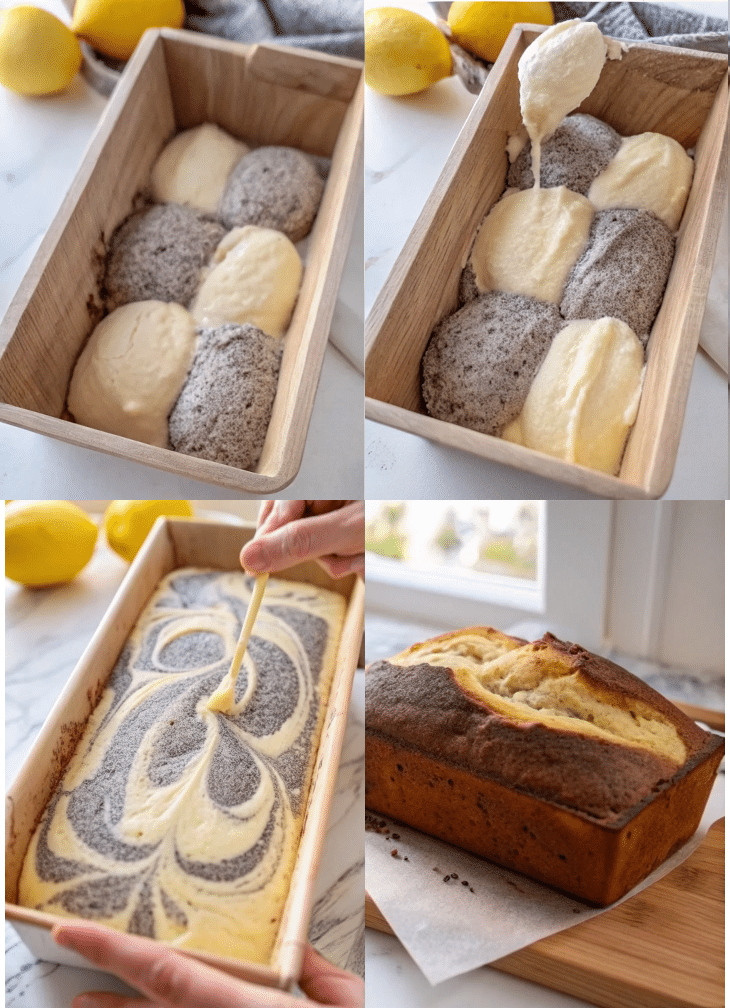
The first step in making a flawless gluten free lemon poppy seed cake is preparing your ingredients. Begin by rubbing lemon zest into the sugar—this simple step intensifies the citrus flavor before any mixing happens. Next, cream the butter, oil, and vanilla until pale and fluffy. Adding the eggs one at a time ensures the mixture stays smooth and emulsified, which is especially important for gluten free baking.
In a separate bowl, whisk together the gluten free flour, almond flour, baking powder, xanthan gum, and salt. Mix milk and lemon juice in a jug to form the wet base. By alternating dry and wet ingredients into the creamed mixture, you preserve the batter’s structure while preventing lumps. Always finish with the dry mix for the best texture.
Creating the Poppy Seed Swirl
Once your lemon batter is ready, transfer about half into another bowl and stir in the finely ground poppy seeds with extra milk. Now you have two batters: one lemon, one poppy seed. Spoon dollops of each into your lined loaf pan, alternating them to form a layered effect.
Baking and Cooling
Drag a skewer through the batters to create a marbled swirl, then bake at 350°F (180°C) for about an hour. Once golden and cracked down the middle, let it cool slightly before transferring to a wire rack. This prevents the loaf from becoming soggy.
Tips for Achieving the Perfect Texture
Use Room Temperature Ingredients
Cold eggs and milk can cause the batter to split or become lumpy, which affects the rise of your gluten free lemon poppy seed cake. Always bring ingredients to room temperature before starting. This helps everything blend more smoothly and creates a stable batter.
Balance Moisture with Fat and Flour
Gluten free cakes often turn out dry if the wrong flour ratio is used. Aaron’s method of combining gluten free flour with almond flour, butter, and oil ensures lasting moisture. The almond flour in particular prevents crumbling and gives the loaf a slightly nutty background flavor.
Don’t Overmix the Batter
Mixing too much after adding the flour can knock out the air and make the cake dense. Fold the dry ingredients gently and stop as soon as the mixture is smooth. A light hand results in a tender crumb.
Bake Low and Slow
Gluten free cakes sometimes need a little more time in the oven. Resist the urge to increase the temperature, as that could brown the outside before the inside cooks through. Stick to 350°F (180°C), and test with a toothpick to ensure it’s baked evenly.
The Icing Touch
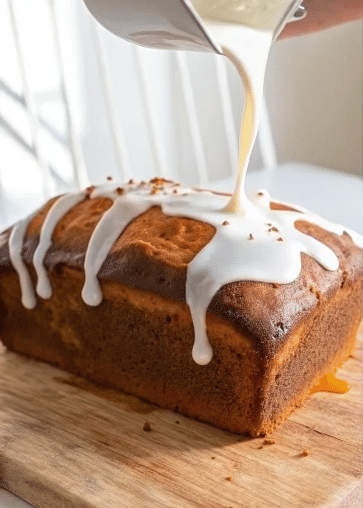
A thick lemon icing not only boosts citrus flavor but also locks in moisture, making every slice soft and indulgent.
Variations and Flavor Twists
Adding a Citrus Blend
While lemon is the star, you can elevate your gluten free lemon poppy seed cake by adding other citrus fruits. Try a mix of lemon and orange zest for a sweeter profile, or combine lemon and lime for a sharper, tropical edge. Each variation changes the aroma and taste while keeping the cake fresh and vibrant.
Dairy-Free Option
If you want to make the recipe dairy-free, swap the butter for vegan margarine and use plant-based milk such as almond, soy, or oat milk. The texture remains moist, and the citrus flavor still shines through. Adding a touch of extra oil can also mimic the richness of butter.
Extra Indulgence with Glaze Layers
Instead of a simple lemon icing, you can drizzle white chocolate or cream cheese glaze on top. This transforms the loaf into a more decadent dessert, perfect for special occasions or celebrations.
Mini Loaves or Cupcakes
Want a portable treat? Divide the batter into cupcake tins or mini loaf pans. Reduce the baking time to about 20–25 minutes, and you’ll have perfectly portioned cakes with the same marbled beauty.
Nutty Variations
Adding chopped almonds, pistachios, or walnuts provides extra crunch and flavor complexity, making the loaf even more satisfying.
Storing and Freezing Gluten Free Lemon Poppy Seed Cake
Short-Term Storage
One of the best things about this gluten free lemon poppy seed cake is that it stays moist for several days. Store it in an airtight container at room temperature, away from direct sunlight. It will keep fresh for about 3 to 4 days. If your kitchen is warm, placing the container in the refrigerator is a safe option, though it may slightly firm up the texture.
Freezing the Cake
For longer storage, freezing works beautifully. Once the cake has cooled completely, wrap it tightly in plastic wrap, followed by a layer of aluminum foil. This double protection prevents freezer burn and preserves flavor. Stored this way, it will last for up to 2 months.
Freezing in Portions
If you don’t plan to eat the whole loaf at once, slice the cake before freezing. Wrap each slice individually and store them in a freezer-safe bag. This makes it easy to grab a portion whenever you’re craving something sweet.
Thawing and Refreshing
To enjoy frozen slices, simply thaw them at room temperature for an hour or warm gently in the microwave for 20–30 seconds. The lemon icing softens beautifully, and the crumb returns to its tender texture.
Serving Ideas and Pairings
A Classic Afternoon Tea Treat
This gluten free lemon poppy seed cake is the perfect companion to a cup of tea. Its bright citrus flavor pairs wonderfully with classic black teas like Earl Grey or English Breakfast, while herbal teas such as chamomile add a soothing balance.
Coffee Shop Vibes at Home
If you’re more of a coffee drinker, pair a slice with a cappuccino or latte. The creamy coffee softens the tang of lemon and highlights the nutty poppy seed notes. It’s like bringing a café experience into your kitchen.
Dress It Up for Dessert
While delicious on its own, you can easily elevate this loaf into a plated dessert. Serve it warm with a scoop of vanilla ice cream or a dollop of whipped cream. Fresh berries—raspberries, blueberries, or strawberries—add color and complement the citrus beautifully.
Breakfast or Brunch Delight
Don’t reserve this cake just for dessert. It makes a lovely brunch centerpiece, especially when paired with yogurt, fruit salad, or a drizzle of honey. Its balance of tangy and sweet flavors means it works any time of the day.
Seasonal Garnishes
Sprinkle extra lemon zest and poppy seeds on top for a fresh look, or garnish with edible flowers to make it stand out at spring gatherings and celebrations.
Troubleshooting Common Baking Mistakes
Why Did My Cake Sink in the Middle?
This often happens if the batter was overmixed or if the oven door was opened too early. To avoid it, mix gently after adding the flour and resist peeking until at least 45 minutes into baking. Make sure your baking powder is fresh for proper lift.
My Cake Turned Out Dry
Dryness in gluten free baking is usually linked to using too much flour or overbaking. Always measure with a kitchen scale when possible, since cup measurements can be inconsistent. Cover the cake with foil if it’s browning too quickly to avoid overbaking.
The Swirl Didn’t Show Well
If your marbled effect wasn’t clear, it may be that the batters were overmixed once in the pan. When swirling, use a light hand with a knife or skewer, creating just a few figure-eight motions. Too much swirling blends the batters into one.
My Cake Stuck to the Pan
Gluten free cakes can be delicate, so lining your pan with parchment paper is essential. Leave some overhang on the sides to lift the loaf out easily after baking. Allow the cake to cool for at least 10 minutes before removing it from the pan.
Frequently Asked Questions About Gluten Free Lemon Poppy Seed Cake
What happens if you don’t soak poppy seeds before baking?
Soaking is sometimes recommended to soften poppy seeds, but in this recipe, it isn’t necessary. Since the seeds are finely ground, they blend smoothly into the batter without becoming tough. Grinding them also intensifies their flavor, making soaking optional.
Why do people put poppy seeds in lemon cake?
Poppy seeds add both flavor and texture. Their nutty taste balances the brightness of lemon, and their slight crunch creates contrast against the tender crumb. Beyond flavor, they also give the cake a visually appealing speckled look.
Can I add poppy seeds to gluten free lemon cake mix?
Yes, you can easily stir poppy seeds into a store-bought gluten free lemon cake mix. For best results, grind them first for extra flavor. Keep in mind that pre-made mixes may already have a higher sugar content, so balance with fresh lemon zest to enhance the citrus flavor.
What do poppy seeds do to a cake?
Poppy seeds bring more than just decoration. They add a subtle earthy tone, a satisfying crunch, and a depth of flavor that pairs especially well with citrus. In gluten free cakes, they also improve mouthfeel, making each bite more interesting and less uniform.
Baking a gluten free lemon poppy seed cake doesn’t have to feel complicated. With the right balance of ingredients, a touch of technique, and a little patience, you can create a loaf that’s just as moist, flavorful, and visually stunning as any traditional version. From the zesty kick of lemon zest to the nutty depth of ground poppy seeds, every slice delivers a perfect harmony of taste and texture.
Author Aaron’s recipe shows that gluten free baking can be indulgent, beautiful, and surprisingly simple. Whether you’re serving it as a casual afternoon snack, dressing it up with a drizzle of lemon icing for a celebration, or freezing slices for later enjoyment, this cake proves itself as versatile as it is delicious.
If you’re new to gluten free baking, this loaf is an excellent place to start—it’s forgiving, straightforward, and consistently rewarding. And for experienced bakers, it offers room for creativity with variations and serving ideas.
Don’t miss our other easy gluten free recipes to keep your baking list fresh and exciting. And if you want to explore the science of baking further, check out this guide to gluten free baking basics from King Arthur Baking.
So go ahead, zest those lemons, grind those poppy seeds, and enjoy a cake that’s as uplifting as it is satisfying.
Print
Gluten Free Lemon Poppy Seed Cake
This Gluten Free Lemon Poppy Seed Cake is moist, tangy, and beautifully marbled with a poppy seed swirl. Finished with a zesty lemon glaze, it’s perfect for spring gatherings, afternoon tea, or an elegant dessert.
- Total Time: 1 hour 30 minutes
- Yield: 10 servings
Ingredients
Lemon Cake Batter:
200 g (1 cup) caster/superfine sugar
Zest of 2 lemons
115 g (1 stick) unsalted butter, softened
45 g (3½ tbsp) sunflower or vegetable oil
½ tsp vanilla bean paste (or 1 tsp vanilla extract)
4 large eggs, room temperature
240 g (2 cups) plain gluten free flour blend (without xanthan gum)
65 g (⅔ cup) almond flour
2 tsp baking powder
½ tsp xanthan gum (omit if blend already contains it)
¼ tsp salt
120 g (½ cup) whole milk, room temperature
30 g (2 tbsp) lemon juice
Poppy Seed Swirl:
90 g (⅔ cup) poppy seeds, finely ground
45 g (3 tbsp) whole milk, room temperature
Lemon Icing:
120 g (1 cup) powdered sugar
5–7 tsp lemon juice
½ tsp vanilla bean paste (or 1 tsp vanilla extract)
Optional: lemon zest + poppy seeds for garnish
Instructions
1. Preheat oven to 350ºF (180ºC). Line a 9×5-inch loaf pan with parchment paper.
2. Rub lemon zest into sugar. Add butter, oil, and vanilla. Beat until fluffy. Add eggs one at a time.
3. In a separate bowl, whisk gluten free flour, almond flour, baking powder, xanthan gum, and salt. In a jug, mix milk and lemon juice.
4. Add dry mix (3 parts) alternating with milk mixture (2 parts) into creamed mixture. End with dry mix.
5. Set aside slightly less than half of the batter (~450 g). Mix with poppy seeds and milk for swirl.
6. Spoon alternating dollops of lemon and poppy seed batters into pan. Swirl gently with knife/skewer.
7. Bake 60–70 minutes, until golden and a toothpick comes out clean. If browning too fast, cover with foil.
8. Cool 10–15 minutes in pan, then transfer to wire rack.
9. Mix icing sugar with lemon juice and vanilla until smooth. Adjust consistency as needed.
10. Drizzle icing over cooled cake. Garnish with lemon zest + poppy seeds if desired.
Notes
Storage: Keep in airtight container 3–4 days at room temperature.
Freezing: Freeze whole loaf or slices for up to 2 months. Thaw before serving.
Dairy-Free: Use vegan butter + plant milk alternatives.
Variation: Bake as cupcakes at 350ºF for 20–25 minutes.
- Prep Time: 30 minutes
- Cook Time: 1 hour
- Cuisine: Gluten Free