Gingerbread latte cookies transformed my holiday baking routine three years ago when I accidentally spilled espresso powder into my gingerbread dough. What started as a kitchen mishap became my most requested recipe every holiday season. These soft, chewy cookies capture everything magical about a cozy coffeehouse gingerbread latte the warming spices, the subtle coffee notes, and that irresistible white chocolate finish all in one perfectly portable cookie.

I’ve made these cookies at least 30 times since that first happy accident, tweaking the spice ratios and perfecting the white chocolate dip until they taste exactly like sipping a gingerbread latte on a snowy December morning. My family now refuses to celebrate the holidays without them, and I’m confident they’ll become your new tradition too.
Understanding What Makes These Cookies Special
The Secret Behind Perfect Gingerbread Latte Cookies
The magic of gingerbread latte cookies lies in three key elements that most recipes overlook. First, pulsing the oats creates varying textures—some oat flour for structure and some chopped pieces for that signature chewy bite. I learned this technique after making flat, disappointing cookies with whole oats my first few attempts.
Second, espresso powder amplifies the warm spices rather than making the cookies taste like coffee. The espresso acts as a flavor enhancer, similar to how salt brings out sweetness. When I first tested this recipe without coffee, the cookies tasted good but lacked that depth and complexity that makes people ask, “What’s your secret ingredient?”
Third, the molasses-to-sugar ratio creates moisture that keeps these cookies soft for days. Dark molasses provides robust flavor, while brown sugar adds chewiness that stays even after the cookies cool completely.
Why This Recipe Works Better Than Coffeehouse Versions
After spending $6 on disappointing gingerbread cookies at various coffee chains, I realized homemade versions offer superior flavor and texture. Store-bought cookies often taste artificially spiced and crumble when you bite them. These homemade gingerbread latte cookies stay soft and chewy because we’re using real spices, quality molasses, and a carefully balanced dough that doesn’t dry out.
The white chocolate topping replicates the creamy foam on a real latte, but with espresso powder mixed directly into the chocolate for an authentic coffee-meets-cookie experience. I’ve tested this recipe with milk chocolate and dark chocolate, but white chocolate provides the perfect canvas for the ginger and cinnamon notes to shine through.
The Science of Chewy Gingerbread Cookies
Understanding what creates that perfect chewy texture changed my entire approach to baking these cookies. Brown sugar contains more moisture than granulated sugar because of its molasses content. This extra moisture prevents the cookies from drying out and creates a tender crumb structure.
The key to chewy gingerbread is also proper chilling time. When you refrigerate cookie dough for at least 30 minutes, the flour fully hydrates and the butter firms up. This prevents the cookies from spreading too thin and losing their soft center. I’ve tested these cookies with chilling times from 15 minutes to 3 days, and anything over 30 minutes produces consistently excellent results.
Baking soda also plays a crucial role in texture. It reacts with the acidic molasses to create tiny air pockets that keep the cookies tender rather than dense. When I accidentally used baking powder instead of baking soda, the cookies turned out cake-like and lacked that signature chew.
Mastering the Baking Process
Essential Ingredients and Why They Matter
Old-Fashioned Oats: Whole rolled oats create better texture than quick oats because they provide more substantial pieces after pulsing. Quick oats turn to powder too easily and won’t give you those delightful chewy bits throughout the cookie.
Espresso Powder: This concentrated ingredient is stronger than instant coffee and dissolves completely into both the dough and the white chocolate. I buy mine in the coffee aisle at my regular grocery store. If you can’t find espresso powder, substitute with double the amount of instant coffee for similar results.
Molasses: I always use Grandma’s brand unsulphured molasses because it has a smooth, sweet flavor without the bitter edge that blackstrap molasses brings. The molasses keeps these cookies moist for days and provides that essential gingerbread flavor. According to the USDA FoodData Central, molasses also contains beneficial minerals like iron, calcium, and potassium that enhance the nutritional profile of these cookies.
Quality White Chocolate: This is where many bakers stumble. White chocolate chips contain stabilizers that prevent smooth melting. Instead, use white chocolate bars from brands like Ghirardelli or Guittard. The difference in flavor and texture is immediately noticeable—real white chocolate creates a silky coating that hardens with a satisfying snap.
Step-by-Step Process for Perfect Results
Preparing the Oats
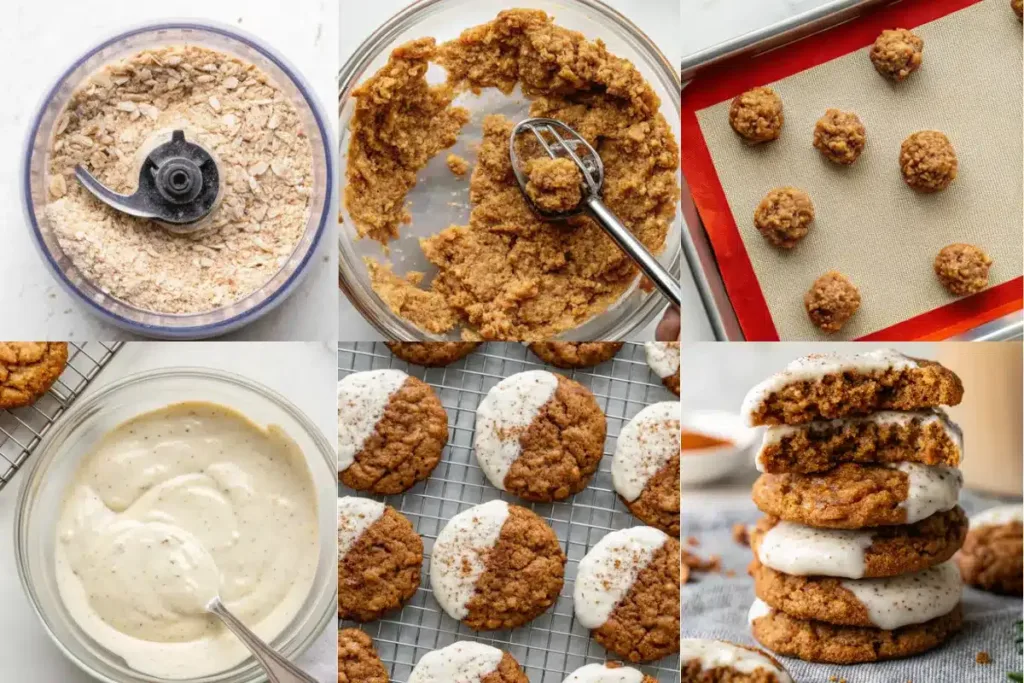
Pulse your oats 10-12 times in a food processor until you see a mix of oat flour and chopped pieces. This took me several batches to get right—too few pulses and the oats are too chunky, too many and you lose that textured chew. Don’t have a food processor? A blender works perfectly, or roughly chop the oats on a cutting board with a large knife.
Mixing the Dough
Cream the butter and sugars for the full 3 minutes. I used to rush this step, but proper creaming incorporates air that creates lighter, fluffier cookies. The mixture should look pale and fluffy, not grainy. When you add the egg and molasses, beat on high speed for a full minute to ensure complete incorporation.
The dough will be extremely thick and sticky—this is exactly right. Resist the urge to add more flour, as this would make dry, crumbly cookies instead of soft, chewy ones.
Chilling Is Non-Negotiable
Chill the dough for at least 30-45 minutes. I typically make my dough the night before and bake fresh cookies the next day. If you’ve chilled the dough for more than a few hours, let it sit at room temperature for 30 minutes before scooping. Cold dough straight from the refrigerator is rock-hard and difficult to work with.
Baking Temperature and Timing
Bake at exactly 350°F for 12-13 minutes. The edges should be lightly browned, but the centers will look underbaked and puffy. This is your goal. The cookies continue cooking on the hot baking sheet after you remove them from the oven. I destroyed my first batch by overbaking—they were crunchy instead of chewy.
Space cookies 3 inches apart because they spread during baking. Crowded cookies bake unevenly and can merge together.
Creating the Perfect White Chocolate Topping
Melt the white chocolate with espresso powder using 20-second microwave intervals, stirring thoroughly between each interval. Adding a teaspoon of vegetable or coconut oil helps thin the chocolate for easier dipping and creates a smoother finish.
Dip each completely cooled cookie halfway into the melted chocolate mixture. I hold the cookie at an angle and slowly lower it into the chocolate, then lift it out with a gentle twist to prevent drips. Place dipped cookies on a parchment-lined baking sheet.
Immediately sprinkle a tiny pinch of cinnamon-nutmeg mixture over the chocolate while it’s still wet. This adds visual appeal and an extra hit of warming spice. Refrigerate the cookies for 30 minutes to set the chocolate completely.
Common Mistakes to Avoid
Mistake #1: Using Whole Oats Without Processing
Skipping the oat-pulsing step creates cookies with tough, chewy pieces that stick in your teeth. The variety of textures from partially ground oats is what makes these cookies special.
Mistake #2: Overmixing After Adding Flour
Once you add the dry ingredients, mix on low speed just until combined. Overmixing develops gluten, which creates tough, dense cookies instead of tender ones.
Mistake #3: Not Cooling Cookies Before Dipping
Dipping warm cookies in chocolate creates a melted mess. The chocolate won’t set properly and will slide right off. Always cool cookies completely—I usually bake them in the morning and dip them in the afternoon.
Mistake #4: Substituting Ingredients
I’ve tested many variations, and substitutions rarely work as well as the original recipe. Using oat flour instead of pulsed oats, instant coffee instead of espresso powder, or white chocolate chips instead of bars all produce inferior results.
Mistake #5: Overbaking
The most common mistake in making ginger cookies is baking them too long. These cookies should look slightly underbaked when you remove them from the oven. They’ll firm up as they cool but maintain that essential soft, chewy center.
Storage and Make-Ahead Tips
Store cookies in an airtight container at room temperature for up to 3 days, or refrigerate for up to one week. The white chocolate topping stays fresh and doesn’t become grainy or discolored.
For make-ahead convenience, prepare the dough up to 3 days in advance and keep it refrigerated. You can also freeze unbaked cookie dough balls for up to 3 months. Bake frozen dough balls for an extra minute without thawing first.
Baked cookies freeze beautifully for up to 3 months, with or without the white chocolate topping. I actually prefer freezing them before dipping, then adding fresh white chocolate after thawing.
Variations and Customizations
Dairy-Free Version: Substitute dairy-free butter and dairy-free white chocolate for an equally delicious cookie that accommodates dietary restrictions.
Extra Coffee Kick: Increase espresso powder to 1 tablespoon in the dough for a stronger latte flavor that coffee enthusiasts will appreciate.
Dark Chocolate Alternative: Swap white chocolate for dark chocolate if you prefer a less sweet, more sophisticated finish. Mix espresso powder into melted dark chocolate the same way.
Peppermint Twist: Add 1/4 teaspoon peppermint extract to the dough and crush candy canes over the white chocolate for a gingerbread peppermint latte cookie.
Expert Tips for Bakery-Quality Results
After making these cookies dozens of times for holiday parties and bake sales, I’ve learned several tricks that elevate them from good to exceptional.
Use Room Temperature Ingredients: Cold eggs and butter don’t cream properly and create lumpy dough. Set butter and eggs out 30-60 minutes before baking.
Measure Flour Correctly: Spoon flour into your measuring cup and level it with a knife. Scooping directly from the bag compacts the flour and can add up to 25% more than the recipe intends, creating dry cookies.
Invest in a Cookie Scoop: A 1.5-tablespoon cookie scoop creates perfectly uniform cookies that bake evenly. Inconsistent sizes mean some cookies overbake while others underbake.
Don’t Skip the Parchment Paper: Parchment or silicone mats prevent sticking and promote even browning. Greased baking sheets can cause cookies to spread too thin and brown too quickly on the bottom.
Rotate Baking Sheets: Halfway through baking, rotate your baking sheet 180 degrees to ensure even cooking, especially if your oven has hot spots.
Frequently Asked Questions
Is the gingerbread latte still available?
Starbucks discontinued the gingerbread latte in 2019, much to the disappointment of devoted fans. While the drink occasionally reappears as a limited offering in some markets, it’s no longer a regular seasonal menu item. This is exactly why I developed this cookie recipe—to capture those beloved flavors in a form you can enjoy anytime.
What is the secret to chewy gingerbread?
The secret to chewy gingerbread lies in three factors: using brown sugar for moisture, avoiding overbaking, and allowing proper cooling time. Brown sugar’s molasses content keeps cookies soft, while removing them from the oven when centers still look slightly underbaked ensures they don’t dry out. The cookies continue cooking on the hot baking sheet, finishing with that perfect chewy texture.
What are common mistakes in making ginger cookies?
The most common mistakes include overbaking (which creates hard cookies), overmixing the dough (which develops too much gluten), not chilling the dough (which causes excessive spreading), and using old spices (which taste flat and dull). Fresh ground ginger, cinnamon, and nutmeg make a noticeable difference in flavor intensity.
When did Starbucks discontinue the gingerbread latte?
Starbucks officially discontinued the gingerbread latte in 2019 after it had been a seasonal favorite for many years. The drink was replaced with other holiday offerings, though some international locations still occasionally feature gingerbread-flavored beverages. Fans of the drink have been recreating it at home ever since, which inspired this cookie adaptation.
Final Thoughts
Gingerbread latte cookies bring together the best elements of holiday baking and coffeehouse indulgence. The warming spices, subtle coffee notes, and creamy white chocolate create a flavor combination that’s both nostalgic and sophisticated.
These cookies have become my signature contribution to holiday cookie exchanges, and they disappear faster than any other treat I bring. The recipe yields 30 cookies, but I usually double the batch because they never last long. Friends and family request them specifically, and several people have asked if I’d consider selling them.
Whether you’re missing the discontinued Starbucks gingerbread latte or simply looking for a show-stopping holiday cookie, this recipe delivers on every level. The combination of chewy oatmeal cookie base, warm gingerbread spices, and espresso-infused white chocolate creates something truly special.
explore my Recipes for inspiration throughout the season.
Print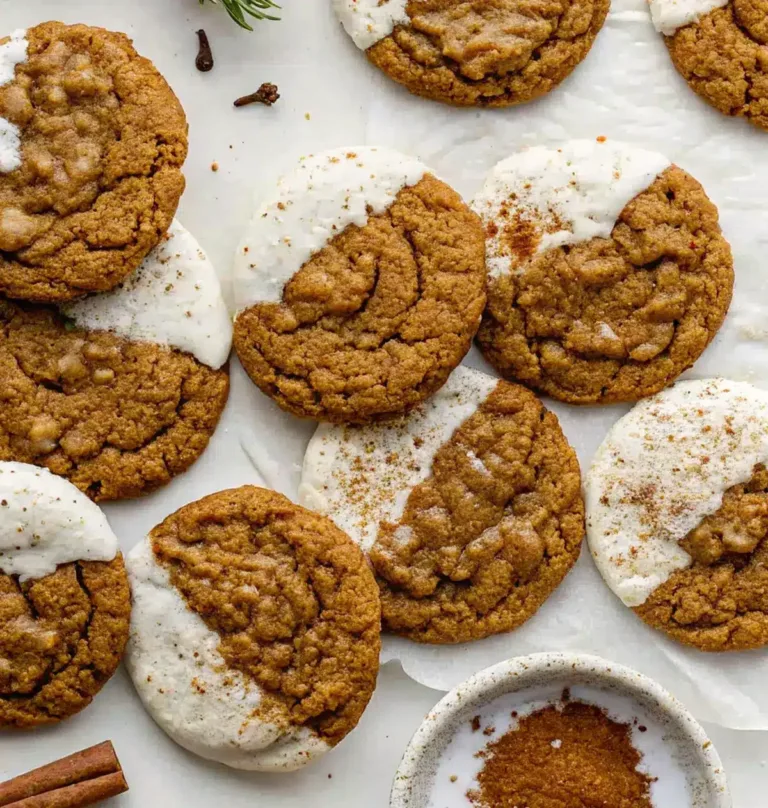
Gingerbread Latte Cookies
Soft, chewy gingerbread latte cookies dipped in espresso-spiked white chocolate and sprinkled with warming spices. These cookies capture all the cozy flavors of a gingerbread latte in dessert form.
- Total Time: 1 hour 30 minutes
- Yield: 30 cookies
Ingredients
Cookies:
2 cups (170g) old-fashioned whole rolled oats
1⅔ cups (210g) all-purpose flour (spooned & leveled)
2 teaspoons espresso powder
1 teaspoon baking soda
¼ teaspoon salt
1 teaspoon ground ginger
1 teaspoon ground cinnamon
¼ teaspoon ground nutmeg
⅛ teaspoon ground cloves
¾ cup (170g) unsalted butter, softened
1 cup (200g) packed brown sugar
¼ cup (50g) granulated sugar
1 large egg, at room temperature
¼ cup (60ml) unsulphured or dark molasses
Topping:
8 ounces (226g) white chocolate, chopped
1 teaspoon vegetable oil or coconut oil (optional)
½ teaspoon espresso powder
Pinch each of cinnamon and nutmeg
Instructions
1. Pulse oats in food processor 10–12 times into coarse flour.
2. Whisk oats, flour, espresso powder, baking soda, salt, ginger, cinnamon, nutmeg, and cloves in bowl.
3. Beat butter, brown sugar, and granulated sugar on medium-high 3 minutes until fluffy. Add egg and molasses, beat 1 minute.
4. Mix dry ingredients into wet just until combined. Dough will be thick. Chill 30–45 minutes.
5. Preheat oven to 350°F (177°C). Line baking sheets with parchment.
6. Scoop 1.5 Tbsp dough per cookie, place 3 inches apart. Bake 12–13 minutes until edges are set, centers soft.
7. Cool 10 minutes on sheet, then transfer to rack.
8. Melt white chocolate with oil and espresso powder. Dip each cooled cookie halfway, place on parchment, sprinkle with cinnamon and nutmeg. Refrigerate 30 minutes to set.
Notes
Make-Ahead: Dough can chill up to 3 days or freeze up to 3 months.
Use high-quality white chocolate bars, not chips, for smoother melting.
Quick oats can be substituted, but still pulse briefly.
Baked cookies keep 3 days at room temp, 1 week in fridge, or freeze up to 3 months.
- Prep Time: 45 minutes
- Cook Time: 13 minutes
- Cuisine: American