If you’ve been searching for the ultimate cinnamon bun recipe, you’re in for a treat. This detailed guide walks you through making pillowy, buttery brioche-based buns swirled with a rich cinnamon-sugar filling and topped with silky cream cheese glaze. Whether you’re a weekend baker or just someone who craves gooey, bakery-style comfort, this recipe guarantees cinnamon buns that rival the best cafés in town.
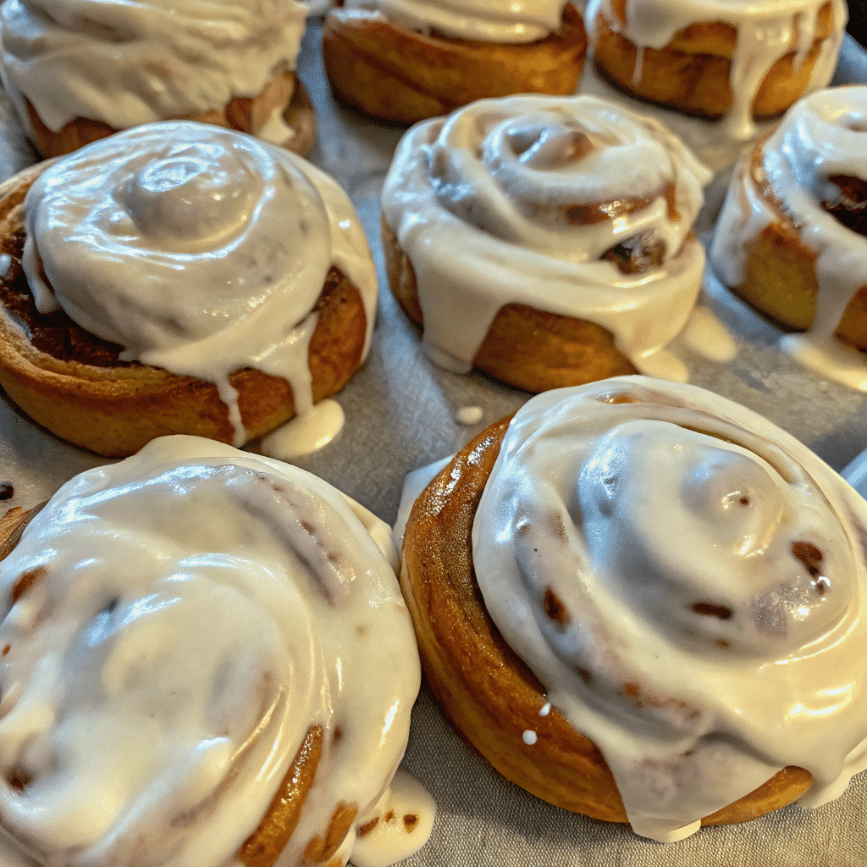
We’ll cover everything from the essential ingredients, how to mix and proof the dough, glaze-making tips, and secret baking tricks. You’ll also discover the difference between cinnamon buns and cinnamon rolls, the secret to that irresistible Cinnabon flavor, and even creative variations like vegan twists and nutty add-ins.
Check out this cinnamon roll cookie version if you’re into bite-sized desserts!
Table of Contents
The Magic Behind a Perfect Cinnamon Bun Recipe
What Makes Cinnamon Buns So Addictive?
A classic cinnamon bun is more than just dough and spice — it’s a symphony of soft texture, deep flavor, and nostalgia. What sets an excellent cinnamon bun apart is its brioche base, which gives it that rich, buttery softness. Add to that a blend of dark brown sugar, ground cinnamon, and a generous swipe of cream cheese glaze, and you’ve got a roll that melts hearts and melts in your mouth.
The key is balance: the right amount of spice, the correct proofing time, and the golden, caramelized edges that hold everything together.
Cinnamon Buns vs. Cinnamon Rolls: What’s the Real Difference?
Many use the terms interchangeably, but there is a difference. While both are swirled dough treats:
| Feature | Cinnamon Bun | Cinnamon Roll |
|---|---|---|
| Glaze or Frosting | Usually topped with cream cheese glaze | Can be plain or sugar-glazed |
| Texture | Rich, tender brioche dough | Sometimes drier or breadier |
| Filling | Often includes corn syrup or honey | Typically brown sugar & cinnamon |
| Origin | More common in Canada/Europe | More popular in the U.S. |
Cinnamon buns often rise taller and use pastry rings for that defined bakery shape. Cinnamon rolls, meanwhile, may be baked in clusters and torn apart when serving.
Learn more about homemade yeast rolls if you’re curious how dough base affects texture.
That’s why in this recipe, we’re diving deep into a classic cinnamon bun method — the gooier, richer, and taller cousin of the cinnamon roll. You’ll see just how small tweaks make a massive difference in taste and texture.
Essential Ingredients for Bakery-Style Cinnamon Buns
Crafting the best cinnamon bun recipe starts with quality ingredients. From the enriched brioche dough to the rich cinnamon filling and silky cream cheese glaze — every component plays a role in creating those irresistible swirls of comfort.
Brioche Dough Breakdown: The Pillar of Softness
A standout cinnamon bun begins with brioche dough — an enriched dough made with eggs, milk, sugar, and butter. This base gives cinnamon buns their signature tenderness and depth of flavor. Here’s what makes it special:
- Bread Flour (500g): Higher protein for better gluten structure and chew.
- Eggs (220g): Add richness, color, and elasticity.
- Whole Milk (80g): Moisture and tenderness.
- Sugar (75g): Slight sweetness and helps with browning.
- Salt (10g): Balances sweetness and enhances flavor.
- Butter (250g): Softens crumb and provides buttery aroma.
- Fresh Yeast (20g) or Dry Yeast (10g): Triggers rise and fermentation.
Using cold butter and allowing the dough to rest overnight ensures structured layers and better handling. This slow rise develops flavor and helps achieve that bakery-quality pull-apart texture.
Want to understand what makes brioche dough so rich and soft? Learn more about lean vs. enriched dough and how it affects texture in baked goods.
The Secret Behind the Cinnamon Filling
This isn’t your average cinnamon-sugar mix. The filling is creamy, spiced, and gooey, thanks to a blend of fats and syrups:
- Dark Brown Sugar (180g): Deep molasses flavor and moisture.
- Ground Cinnamon (16g): Warmth and spice.
- Corn Syrup or Honey (42g): Keeps the filling sticky and prevents sugar from crystallizing.
- Unsalted Butter (90g): Fat that binds and melts into the dough.
- Cornstarch (3g): Thickens and stabilizes the filling.
- Salt (2.5g): Rounds out the sweetness.
This mixture creates a spreadable paste that melts into the spirals as the buns bake. It’s one of the reasons why this recipe delivers buns that ooze with flavor in every bite.
Discover great ideas like tortilla cinnamon rolls if you’re in a rush but craving cinnamon.
Why Cream Cheese Glaze Elevates Every Bun
That creamy glaze isn’t just eye candy — it’s a game-changer. Spread over warm buns, it melts into the folds, adding sweetness and tang.
- Cream Cheese (226g): Rich base with a tangy contrast to sweet filling.
- Butter (40g): Helps the glaze flow.
- Powdered Sugar (180g): Sweet and smooth texture.
- Evaporated Milk (50g+): Adjusts consistency without watering down the taste.
- Vanilla Extract (1 tsp): Brings balance and aroma.
- Salt (pinch): Highlights the sweetness.
This isn’t a drizzle. It’s a full-on glaze flood that clings to every swirl, sealing in warmth and flavor.
Looking for inspiration? Try our coconut matcha cloud dessert for a unique finish to brunch.
Preparing the Brioche Dough Like a Pro
Mastering the brioche dough is where your cinnamon bun recipe starts to shine. It’s the base of everything: texture, rise, and flavor. Done right, it leads to a soft, pull-apart interior that melts in your mouth with every bite.
Mixing & Kneading Techniques for a Smooth Dough
Start by combining your yeast, milk, and eggs in a stand mixer with a dough hook. If you’re using active dry yeast, dissolve it in warm milk first before adding eggs, flour, sugar, and salt.
Mix the ingredients on low speed until the dough forms and begins to smooth out. This first mix builds gluten and allows the dough to hydrate properly.
Once incorporated, slowly add the softened butter a little at a time while mixing on medium-low. You’ll want to:
- Scrape the bowl as needed to incorporate all ingredients.
- Continue kneading for 15–20 minutes total.
- Look for the windowpane test — a thin stretch of dough without tearing.
Once kneaded, the dough should be shiny, elastic, and pull away cleanly from the sides of the bowl.
Check out banana bread latte if you want the perfect sip to enjoy with your buns.
Why the Overnight Rest Matters: Cold Fermentation Explained
After kneading, transfer your dough to a greased bowl and let it rest at room temperature for 30 minutes. This gives the yeast a head start.
Next, punch down the dough, wrap it tightly in plastic, and refrigerate it overnight.
So why cold ferment?
- Flavor Development: Longer fermentation = richer, more complex taste.
- Improved Texture: Cold butter solidifies, helping form tender layers.
- Ease of Use: Chilled dough is easier to roll and less sticky.
This overnight rest is essential for making bakery-style buns that taste like they came from a professional pastry shop.
And remember: don’t skip this step — it’s the make-or-break move that transforms your cinnamon bun recipe from basic to best-in-class.
Crafting the Irresistible Cinnamon Filling
The heart of any good cinnamon bun recipe is in its filling — that sweet, sticky swirl packed with bold cinnamon flavor and caramel-like gooeyness. It’s what gives each bun its crave-worthy core.
Choosing the Right Sugar and Cinnamon Combo
Your filling shouldn’t just taste sweet — it should taste deep, warm, and rich. Here’s the secret combo:
- Dark Brown Sugar (180g): It has a higher molasses content than light brown sugar, which offers a deeper caramelized flavor and extra moisture. This ensures your buns don’t dry out during baking.
- Ground Cinnamon (16g): Go bold. Using a full two tablespoons gives that signature spice level and balances out the richness of the sugar and butter.
- Salt (2.5g): Never skip it — just a pinch enhances the sweetness and spice.
For a cinnamon filling that sticks, flavor isn’t the only consideration. Texture matters just as much.
Incorporating Corn Syrup or Honey: Is It Worth It?
Absolutely. This step separates ordinary rolls from next-level cinnamon buns.
Why add corn syrup or honey?
- Creates a smooth, spreadable paste that won’t leak or pool during baking.
- Keeps the filling moist so every bite is gooey and rich.
- Helps caramelize the filling slightly while baking without burning it.
Here’s how to bring it all together:
- Combine dark brown sugar, cinnamon, salt, and cornstarch in a bowl.
- Add softened or melted butter.
- Stir in corn syrup or honey (42g) until it forms a paste.
Cornstarch (3g) works behind the scenes by stabilizing the filling, so it stays where it belongs — inside the spirals.
Spread this sticky paste across your rolled-out brioche dough in the next step. Not only will it infuse the dough with sweet spice, but it’ll melt into luscious layers as the buns bake.
Don’t miss our strawberry pasta recipe if you love surprising twists in the kitchen.
How to Assemble, Cut & Proof Cinnamon Buns
Now that your rich brioche dough is chilled and your cinnamon filling is ready, it’s time to assemble your cinnamon buns. This step requires a bit of finesse, but it’s where the magic takes shape — literally.
Rolling and Filling the Dough Perfectly
First things first: lightly flour your work surface and grab that chilled dough from the fridge.
- Roll out the dough into a rectangle about 45 x 35 cm (18 x 14 inches). Aim for a thickness of about ½ inch.
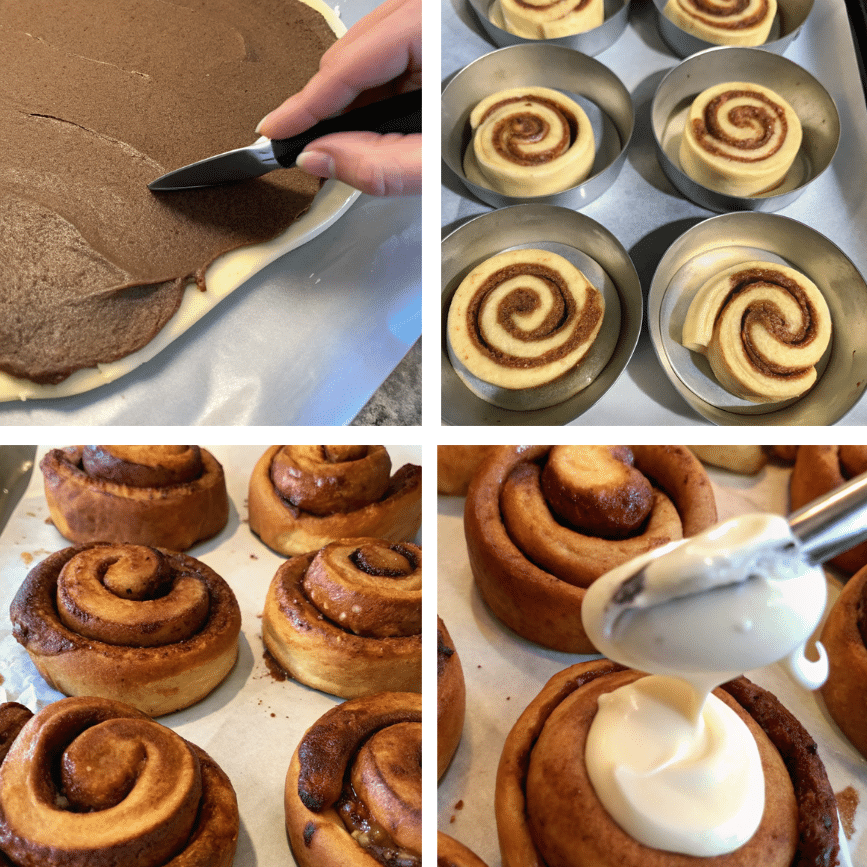
- Use your fingers or a spatula to spread the cinnamon filling evenly across the surface. Don’t overdo it on the edges — leave a ½-inch border so it doesn’t spill out when rolled.
- From the long edge, roll the dough tightly into a log. Go slow and even. You want a consistent swirl from one end to the other.
This part is critical for forming those perfectly even spirals that make bakery buns stand out.
Discover great ideas like tortilla cinnamon rolls if you’re ever short on time but crave a cinnamon treat.
Cutting and Proofing: Getting That Fluffy Rise
Once your dough is rolled:
- Use unflavored dental floss or a serrated knife to cut the log into 12 equal pieces, each about 1 inch thick.
- For professional results, place each piece into buttered pastry rings set on a parchment-lined baking tray. This helps them bake tall and round.
- Cover the tray loosely and proof at room temperature for 1–2 hours, or until the rolls double in size.
How to Know They’re Ready: Gently poke a bun. If it springs back slowly and leaves a small indent, it’s ready to bake.
Don’t rush this step. Under-proofed buns won’t rise properly in the oven, and over-proofed buns may collapse. Aim for that perfect pillowy puff.
Looking for a cozy pairing? Try our pumpkin spice coffee creamer with your fresh-out-of-the-oven buns.
Baking the Cinnamon Buns to Golden Perfection
You’ve rolled, filled, and proofed — now it’s time to bring your cinnamon buns to life in the oven. This part of the cinnamon bun recipe is all about mastering heat and timing to achieve that golden, gooey finish.
Oven Temperature and Timing for Best Results
Preheat your oven to 350°F (175°C) during the final hour of proofing. Getting the oven temperature right is crucial — too low, and the buns dry out; too high, and they brown before baking through.
Follow these tips:
- Bake the buns for 20–30 minutes until the tops are deep golden brown.
- The buns should feel firm to the touch but still soft in the center.
- Internal temperature should hit around 190°F (88°C) for perfect doneness.
Use your nose too — when the kitchen smells like brown sugar, vanilla, and heaven, you’re close.
Once baked, let the buns cool for about 10 minutes before removing the pastry rings (if used). This short rest allows the crumb to set slightly but still stay warm enough for glazing.
Don’t miss our creamy apple crumble cheesecake — another golden, oven-baked masterpiece.
Avoiding Common Baking Mistakes
Even seasoned bakers run into pitfalls. Here’s what to avoid:
| Mistake | How to Fix It |
|---|---|
| Overbaking | Stick to the time and check with a thermometer. |
| Uneven browning | Rotate tray halfway through baking. |
| Dry buns | Don’t skip the glaze — it seals in moisture. |
| Sinking centers | Under-proofing can cause collapse. |
Always use parchment paper under the buns for easy release and minimal mess. And if you’re baking in a pan instead of pastry rings, just ensure the buns have room to expand upward and not just outward.
Once they’re out and still slightly warm, it’s time for the finishing touch: that luscious glaze.
Making the Cream Cheese Glaze from Scratch
The final layer of indulgence in your cinnamon bun recipe is the cream cheese glaze. It’s not just a topping — it’s a flavor finisher that seeps into the swirls, adding tang, sweetness, and bakery-level decadence.
Cream Cheese Glaze Consistency Tips
You want your glaze to be pourable yet rich, creamy but not watery. Here’s how to get it just right:
Ingredients Recap:
- 226g cream cheese, softened
- 40g unsalted butter, melted
- 180g powdered sugar
- 50g evaporated milk (plus more to thin)
- 1 tsp vanilla extract
- Pinch of salt
Mixing Instructions:
- In a bowl, whisk together cream cheese and melted butter until fully combined.
- Add powdered sugar gradually and mix to avoid lumps.
- Pour in evaporated milk and whisk until smooth and silky.
- Stir in vanilla and a pinch of salt to round out the sweetness.
Too thick? Add more evaporated milk, 1 teaspoon at a time.
Too thin? Add a bit more powdered sugar and chill briefly.
Learn more about creamy custard recipes for other sweet glaze or filling alternatives.
How to Glaze Like a Bakery Chef
Timing matters: glaze your cinnamon buns while they’re still slightly warm — not hot, not cold.
- If too hot: the glaze will melt off completely.
- If too cool: the glaze won’t spread properly.
Use a spoon or offset spatula to layer a generous amount on each bun. Let gravity do the work as it drips into the spirals.
Want extra indulgence? Double the glaze recipe and go all in. A second layer after 5 minutes ensures every bite is frosted to perfection.
You can even refrigerate the extra glaze and spread it on toast, pancakes, or as a dip for warm banana bread.
Expert Tips for Cinnamon Bun Success
Even with the perfect cinnamon bun recipe, small tweaks can make a massive difference. These expert tips will help you avoid rookie mistakes, maximize flavor, and serve up bakery-level buns every single time.
Top Tips for Dough, Filling, Baking, and Glazing
Master each component with these proven techniques:
For the Dough
- Use cold butter when mixing into the dough — it creates structure and richer flavor.
- Don’t rush the kneading. Aim for an elastic, shiny dough that passes the windowpane test.
- Always refrigerate overnight to allow the gluten to relax and flavors to develop.
For the Filling
- Spread filling evenly, edge to edge, but leave a small margin to avoid overflow when rolling.
- Add pecans or raisins for a flavor twist — just press them gently into the filling before rolling.
For Baking
- Use pastry rings or muffin tins to keep buns tall and uniform.
- Rotate the tray halfway through baking to ensure even browning.
For the Glaze
- Glaze while warm so it melts slightly and sinks into the swirls.
- Double the batch — there’s no such thing as too much glaze.
Don’t miss our no-bake Boston cream cake for another indulgent dessert that requires less oven time.
Can You Freeze Cinnamon Buns? Pro Tips for Storage
Yes — and here’s how to do it right:
To Freeze Unbaked Buns:
- Assemble and cut your buns.
- Freeze individually on a tray until firm.
- Transfer to a sealed container or freezer bag.
- When ready to bake, let them thaw overnight in the fridge, then proof and bake as usual.
To Freeze Baked Buns:
- Let buns cool completely.
- Wrap tightly in foil or plastic and freeze up to 2 months.
- Reheat at 300°F (150°C) for 10–15 minutes. Glaze after reheating, or freeze with glaze and warm gently.
For best results, freeze without glaze and add it fresh after reheating for maximum melt and flavor.
Variations and Creative Twists on the Classic Recipe
While the traditional cinnamon bun recipe is unbeatable, there’s no reason not to get creative in the kitchen. Whether you’re adjusting for dietary needs or looking to surprise your brunch guests, these flavor upgrades and recipe modifications deliver big results with little effort.
Adding Pecans, Raisins, or Chocolate
These mix-ins can be folded into the filling layer before rolling the dough to elevate flavor and texture:
- Chopped Pecans or Walnuts: Add a toasty crunch and balance out the sweetness.
- Golden Raisins: Soaked in warm water or rum for 10 minutes to plump them up.
- Mini Chocolate Chips: For a dessert-forward version that melts into the swirls.
Pro Tip: Press the add-ins lightly into the filling so they stick during rolling.
Looking for inspiration? Try our heirloom tomato flight for a totally unique flavor journey between sweet and savory.
Vegan or Gluten-Free Options: Easy Swaps to Try
You don’t have to miss out on cinnamon buns if you follow a plant-based or gluten-free lifestyle.
Vegan Substitutes:
- Butter → Vegan butter
- Milk → Almond or oat milk
- Eggs → Flaxseed “egg” (1 tbsp ground flax + 3 tbsp water per egg)
- Cream Cheese Glaze → Vegan cream cheese + coconut milk
Gluten-Free Tips:
- Use a high-protein gluten-free flour blend (like Cup4Cup or King Arthur’s GF mix).
- Add ½ tsp xanthan gum for structure.
- Chill the dough longer — GF flours need more resting time to hydrate properly.
These changes do slightly alter the texture, but with the right handling, you’ll still achieve gooey centers and rich glaze melt.
You can even swirl in apple butter or pumpkin puree into the filling for seasonal flair.
Frequently Asked Questions
What is the difference between cinnamon bun and cinnamon roll?
Though the terms are often used interchangeably, a cinnamon bun usually refers to a taller, individually baked pastry often topped with cream cheese glaze, while a cinnamon roll might be baked together in a pan and finished with a light glaze or frosting. Cinnamon buns also tend to have a stickier, gooier center and may contain corn syrup or honey for added moisture.
What is the secret to good cinnamon rolls?
The secret lies in three key factors:
Brioche-style dough — soft, rich, and buttery.
Slow fermentation — letting the dough rest overnight builds flavor.
Sticky filling + generous glaze — the magic duo for that bakery-style experience.
Using high-quality cinnamon and glazing while warm also boosts flavor.
What ingredients do you need for cinnamon buns?
To make a classic cinnamon bun, you need:
For the Dough: Bread flour, sugar, salt, eggs, milk, butter, yeast
For the Filling: Dark brown sugar, ground cinnamon, salt, cornstarch, butter, honey or corn syrup
For the Glaze: Cream cheese, powdered sugar, evaporated milk, vanilla, butter, salt
Check the full recipe above for exact weights and step-by-step instructions.
What is the secret ingredient in Cinnabon?
Many bakers say the secret is Makara cinnamon — a highly aromatic, sweet cinnamon from Indonesia. While not publicly confirmed, Cinnabon also uses brown sugar, margarine instead of butter, and lots of glaze to create that signature stickiness. For homemade versions, dark brown sugar and high-fat cream cheese deliver a very similar result.
Can I make cinnamon buns ahead of time?
Yes! After assembling and cutting your buns, cover and refrigerate them overnight. In the morning, let them sit at room temperature for 1–2 hours to finish proofing before baking. This method makes them perfect for holiday mornings or brunch prep.
How do I reheat leftover cinnamon buns and keep them moist?
Wrap your cinnamon bun in foil and warm in a 300°F oven for 10–15 minutes. To keep them soft, place a small dish of water in the oven to add steam. Alternatively, microwave for 15–20 seconds, covered with a damp paper towel. Always glaze after reheating or refresh with extra glaze to restore that gooey finish.
Make This Cinnamon Bun Recipe Your Weekend Ritual
There’s nothing quite like pulling a tray of warm, gooey buns from the oven, the scent of brown sugar and cinnamon wafting through your kitchen. With this step-by-step cinnamon bun recipe, you’ve got everything you need to create a homemade version that’s every bit as good — if not better — than what you’d find at a bakery.
From the soft, buttery brioche dough to the rich cinnamon-sugar filling and creamy glaze, each part of the recipe has been crafted for maximum flavor and comfort. Whether you stick to the classic or try one of the creative variations, these cinnamon buns are sure to become a beloved tradition in your kitchen.
Don’t miss our guide to homemade hotcakes for another perfect breakfast companion to these buns.
Now go preheat that oven — you’ve got cinnamon buns to bake.
Print
Cinnamon Bun Recipe: The Best Homemade Bakery-Style Buns You’ll Ever Bake
This bakery-style Cinnamon Bun Recipe features rich brioche dough, a gooey cinnamon-sugar filling, and a luscious cream cheese glaze. Perfect for a holiday brunch or cozy weekend treat — soft, buttery, and indulgent.
- Total Time: 18 hours 30 minutes
- Yield: 12 buns
Ingredients
**Brioche Dough:**
500g bread flour
10g salt
75g sugar
20g fresh yeast or 10g active dry yeast
220g eggs
80g whole milk
250g unsalted butter, softened
**Cinnamon Filling:**
180g dark brown sugar
16g ground cinnamon
2.5g salt
90g unsalted butter, room temp
42g corn syrup or honey
3g cornstarch
**Cream Cheese Glaze:**
226g cream cheese
40g melted butter
180g powdered sugar
50g evaporated milk
1 tsp vanilla extract
Pinch of salt
Instructions
1. Make brioche dough: Mix eggs, milk, flour, sugar, salt, yeast, and butter until smooth and glossy. Knead for 8–10 minutes.
2. Let dough rest for 30 minutes, then refrigerate overnight.
3. Prepare filling: Blend brown sugar, cinnamon, salt, butter, corn syrup, and cornstarch into a paste.
4. Roll out chilled dough into a rectangle. Spread filling evenly. Roll into a tight log and slice into 12 pieces.
5. Place rolls in greased pan or pastry rings. Proof until doubled in size.
6. Bake at 350°F (175°C) for 20–30 minutes, until golden and puffed.
7. While baking, prepare glaze: Beat cream cheese, butter, sugar, milk, vanilla, and salt until smooth.
8. Glaze warm buns immediately after baking. Serve fresh or store airtight.
Notes
Use a stand mixer for easier kneading.
Chill the dough overnight to develop rich flavor and texture.
Proofing time may vary based on room temperature.
- Prep Time: 18 hours
- Cook Time: 30 minutes
- Category: Breakfast / Brunch
- Method: Baked / Enriched Dough
- Cuisine: American
- Diet: Vegetarian