
There’s nothing quite like biting into chewy oatmeal cookies—that soft, melt-in-your-mouth texture, the rich buttery sweetness, and the comforting taste of oats and cinnamon. This recipe, crafted by Aaron, is designed to give you cookies that are golden on the edges yet tender in the center. If you’ve ever struggled with flat, crispy cookies or overly cakey ones, this guide will walk you through how to get the balance just right.

And here’s the best part: chewy oatmeal cookies aren’t just delicious, they’re also versatile. You can add raisins for a nostalgic, classic touch or fold in chocolate chips for a more indulgent twist. Whether you’re baking for your family, friends, or simply indulging yourself, this recipe will become your go-to treat.
If you’re passionate about homemade desserts, don’t miss our Easy Homemade Recipes for another family favorite!
Why Chewy Oatmeal Cookies Are a Timeless Favorite
The Comfort of Homemade Cookies
Baking cookies from scratch brings a sense of comfort that few desserts can match. Chewy oatmeal cookies, in particular, are tied to nostalgia—many people recall warm batches straight from the oven during holidays or after-school snacks. Their rustic look, dotted with oats and sometimes raisins, gives them an inviting, homemade charm.
Cookies like these bridge the gap between wholesome and indulgent. Oats provide a hearty texture and subtle nutty flavor, while butter, brown sugar, and cinnamon give richness and warmth. It’s a dessert that feels like a hug in edible form.
The Science of “Chewy”
Getting the right chewiness in oatmeal cookies comes down to science. The combination of brown sugar, butter, and oats ensures that the cookies hold moisture while still maintaining structure. Brown sugar contains more molasses than white sugar, which traps moisture and makes cookies soft. Meanwhile, oats expand as they bake, giving each bite that satisfying chew.
Aaron’s recipe takes this balance seriously: using the right amount of butter, sugar, and oats while carefully controlling mixing time. This ensures your cookies aren’t dry, overly cakey, or crumbly.
Key Ingredients That Make All the Difference
Flour and Oats: The Building Blocks
The recipe begins with all-purpose flour—a neutral, versatile flour that provides structure without making the cookies heavy. But the real star is old-fashioned rolled oats. Unlike quick oats, rolled oats maintain their shape during baking, giving that hearty chew. Skipping rolled oats or replacing them with instant oats would yield flatter, less satisfying cookies.
Butter and Sugar: The Flavor Duo
Unsalted butter, softened to room temperature, ensures a creamy, fluffy base when whipped with sugar. The mix of brown sugar and granulated sugar is crucial—brown sugar keeps the cookies moist and chewy, while white sugar helps with spreading and slight crisping around the edges.
Aaron recommends sticking to packed brown sugar for maximum molasses content. This not only enriches flavor but also deepens the color, giving cookies that classic golden hue.
Step-by-Step Instructions for Perfect Chewy Oatmeal Cookies
Mixing the Dry Ingredients
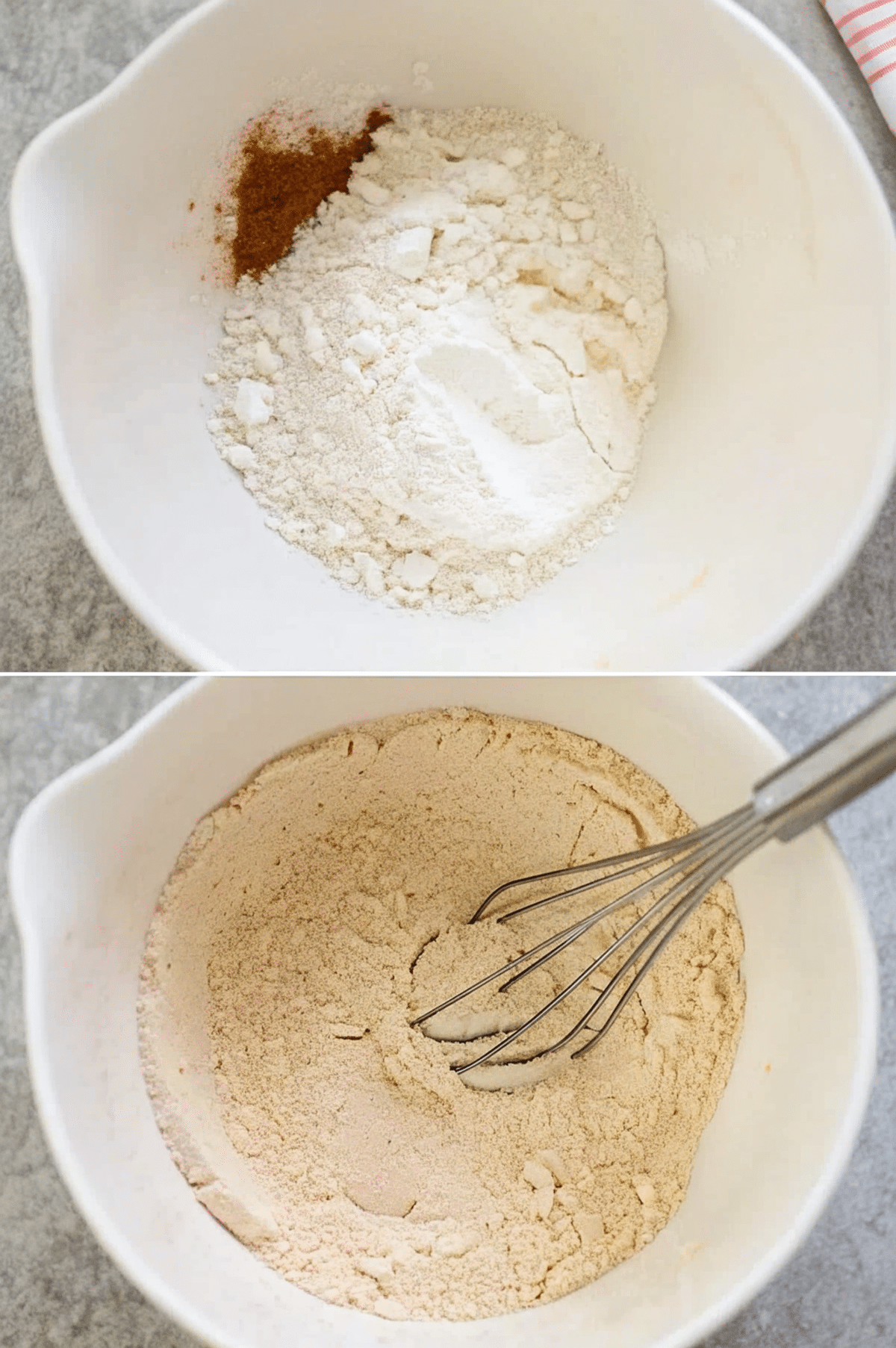
Start by whisking together flour, cinnamon, salt, baking powder, and baking soda. This step evenly distributes the leavening agents and spices, ensuring your cookies rise properly and taste balanced. Sifting isn’t strictly necessary, but whisking keeps clumps from forming.
The touch of cinnamon adds warmth without overwhelming the oats, creating that classic oatmeal cookie flavor we all love.
Creaming the Butter and Sugars
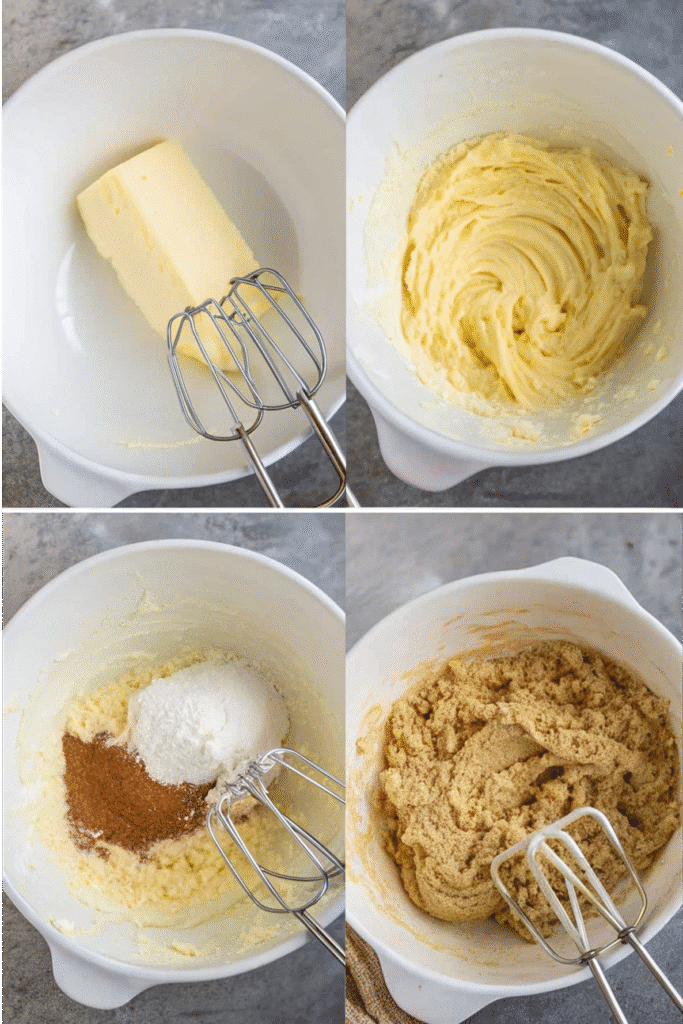
In a large bowl, cream together softened butter, brown sugar, and granulated sugar. Beat the mixture for 2–3 minutes until it becomes light and fluffy. This process incorporates air, giving your cookies the perfect lift.
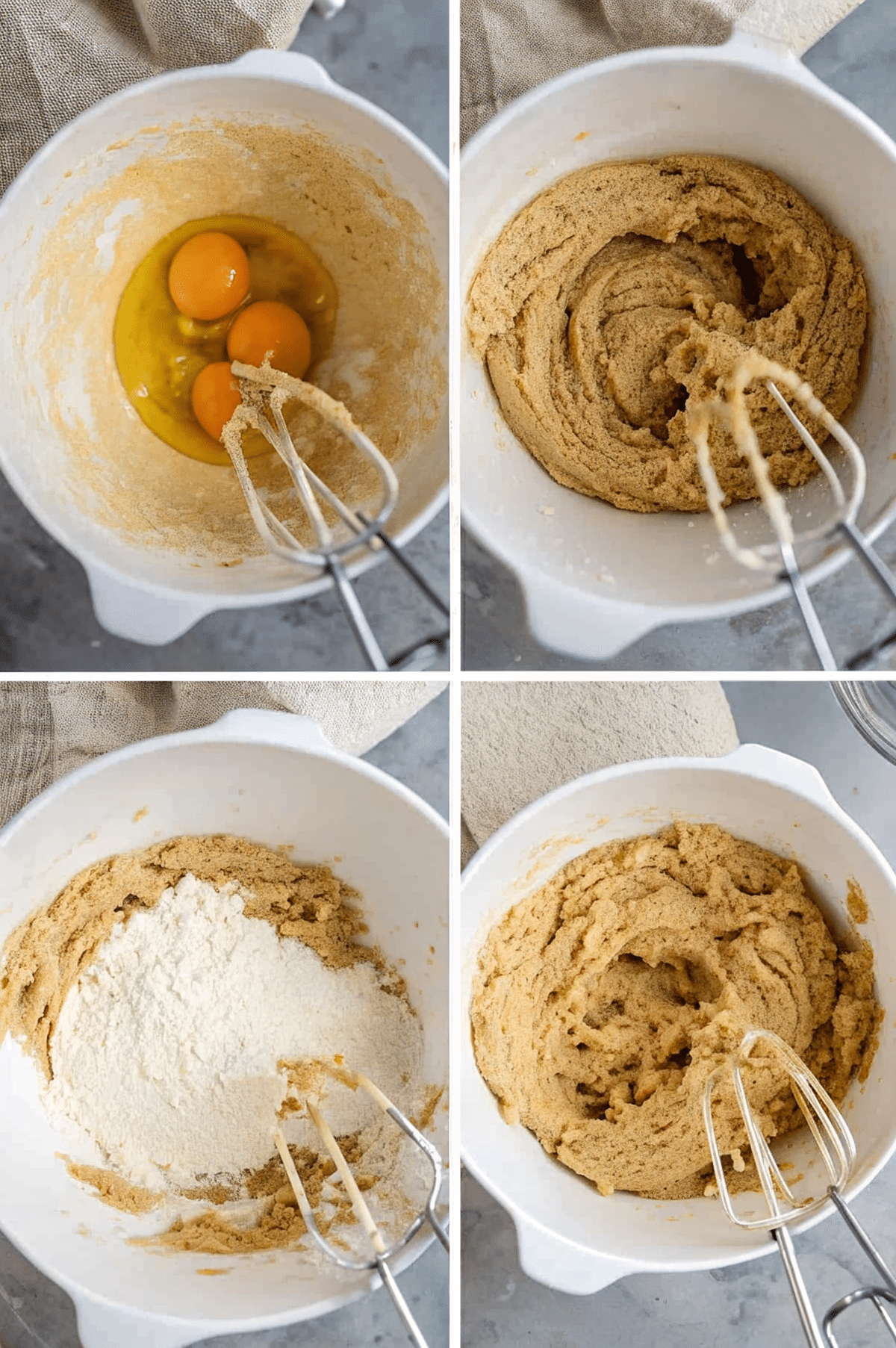
Adding eggs one at a time and blending until just combined prevents overmixing. Overmixing can cause tough cookies, something Aaron advises strongly against. Finally, add vanilla extract for a sweet, aromatic base.
Tips for Baking Chewy Oatmeal Cookies
Scoop and Space Properly
For uniform cookies, scoop about 2 tablespoons of dough per cookie. Space them at least 2 inches apart on a parchment-lined baking sheet to prevent spreading into one another. Using a cookie scoop keeps sizes consistent, so all cookies bake evenly.
Timing Is Everything
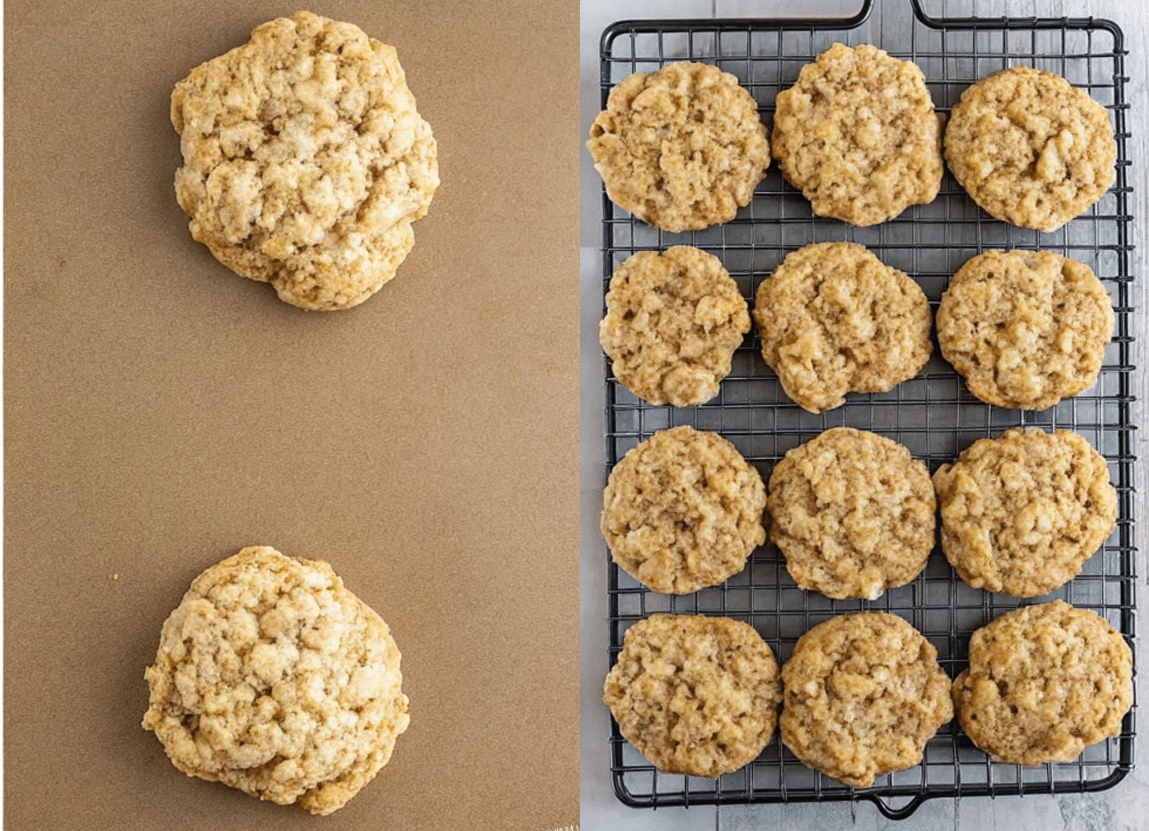
Bake at 350°F for 11–13 minutes. Pull the cookies out when the edges are golden but the centers still look slightly underdone. They’ll continue cooking on the hot baking sheet for a few minutes before firming up. This is the secret to chewy centers!
Aaron also recommends letting cookies rest for at least 5 minutes on the baking sheet before transferring them to a wire rack. This prevents breakage and ensures the texture sets just right.
Flavor Variations to Try
Classic Add-Ins: Raisins and Chocolate Chips
One of the joys of making chewy oatmeal cookies is how customizable they are. The most traditional option is adding raisins, which give bursts of natural sweetness and a pleasantly chewy texture that complements the oats. For a richer twist, fold in chocolate chips—milk, dark, or even white chocolate all work beautifully.
Aaron suggests soaking raisins in warm water for 10 minutes before folding them into the dough. This plumps them up and prevents them from drawing moisture out of your cookies.
Creative Twists: Nuts, Coconut, and More
If you want to get adventurous, try stirring in chopped walnuts or pecans for a nutty crunch. Shredded coconut adds subtle sweetness and a tropical flair, while dried cranberries bring tangy brightness to balance the cookie’s buttery richness.
For spice lovers, a pinch of nutmeg or cardamom can elevate the flavor profile and make the cookies feel extra cozy, especially during the holidays.
How to Store and Freeze Chewy Oatmeal Cookies
Storing at Room Temperature
To keep cookies fresh, store them in an airtight container at room temperature for up to 5 days. Slip in a slice of bread alongside the cookies—this old baker’s trick helps retain moisture and prevents cookies from drying out.
Aaron emphasizes allowing cookies to cool fully before stacking them. Warm cookies can create condensation inside the container, leading to sogginess.
Freezing for Later
Chewy oatmeal cookies freeze remarkably well. You can either:
- Freeze the dough: Scoop dough balls onto a baking sheet, freeze until solid, then transfer to a freezer bag. Bake straight from frozen, just adding 2–3 extra minutes to the bake time.
- Freeze baked cookies: Wrap cooled cookies individually in plastic wrap, place in a freezer-safe bag, and freeze for up to 3 months.
This way, you can always have fresh, homemade cookies on hand for unexpected guests—or for when the craving strikes!
Nutrition Breakdown of Chewy Oatmeal Cookies
Calories and Macros per Serving
Each chewy oatmeal cookie comes in at about 383 calories, making it a satisfying treat that’s both indulgent and energizing. On average, you’ll get:
- Carbohydrates: 52g
- Protein: 6g
- Fat: 18g
- Fiber: 3g
The balance of oats, butter, and eggs provides both quick energy (from carbs and sugars) and staying power (from fats and proteins).
Micronutrients and Health Notes
Oats are naturally rich in fiber, which supports digestion and helps maintain steady blood sugar levels. The addition of raisins or nuts can increase potassium, iron, and heart-healthy fats. However, since these cookies also contain a good amount of sugar and butter, moderation is key.
Aaron points out that chewy oatmeal cookies can be part of a balanced diet—especially when enjoyed as an occasional treat with a glass of milk or a cup of tea. For a lighter option, you can reduce the sugar slightly or replace part of the butter with unsweetened applesauce.
Troubleshooting Common Oatmeal Cookie Mistakes
Why Are My Oatmeal Cookies Hard?
Hard cookies often result from overbaking. Remember, cookies should look slightly underdone in the center when you pull them from the oven. They’ll firm up as they cool. Too little butter or too much flour can also lead to a dry texture.
Aaron’s tip: Always measure flour correctly by spooning it into the measuring cup and leveling it off—never scoop directly from the bag.
Why Do My Cookies Spread Too Much?
Excessive spreading usually comes from dough that’s too warm or butter that’s overly soft. Chill the dough for 30 minutes before baking to keep cookies thick and chewy.
Also, double-check your leavening agents: using too little baking powder/soda can affect structure, while too much makes cookies flatten quickly.
Why Are My Cookies Cakey Instead of Chewy?
Overmixing the dough can create too much gluten, leading to cakey cookies. Mix until just combined after adding dry ingredients. Using more white sugar than brown sugar can also cause a crispier or cakier texture instead of chewy.
Serving Ideas and Pairings
Perfect Beverage Pairings
Chewy oatmeal cookies taste incredible on their own, but pairing them with the right beverage makes the experience even better. A cold glass of milk is the classic choice—it balances the sweetness and enhances the cookie’s buttery flavor.
If you’re a coffee lover, try these cookies with a latte or cappuccino. The creaminess of the coffee complements the chewiness of the oats. For tea drinkers, pair cookies with chai or black tea to bring out the warmth of cinnamon.
Creative Serving Suggestions
Turn cookies into an indulgent dessert by using them in:
- Ice Cream Sandwiches: Place a scoop of vanilla or cinnamon ice cream between two cookies.
- Cookie Crumble Topping: Crush leftover cookies and sprinkle them over yogurt or pudding.
- Holiday Gift Bags: Wrap cooled cookies in parchment and place them in a festive tin—perfect for sharing with friends and family.
FAQ Section
What makes oatmeal cookies soft and chewy?
The secret lies in using brown sugar and butter, which trap moisture, and rolled oats, which provide texture. Underbaking slightly and letting cookies finish cooking on the sheet also helps.
How do I get my cookies to be chewy?
To ensure chewiness, avoid overmixing the dough and bake until just the edges are golden. Adding more brown sugar than white sugar enhances the chewy texture.
What are three factors that contribute to a chewy cookie?
- High moisture content from brown sugar and eggs.
- Proper baking time—removing cookies before they overbake.
- Use of rolled oats for structure and chew.
How to make oatmeal more chewy?
Use old-fashioned rolled oats rather than quick oats. Rolled oats hold their shape during baking, adding hearty texture and chew.
What kind of oats are the creamiest?
Steel-cut oats are the creamiest when cooked on the stovetop, but for cookies, rolled oats strike the perfect balance of chewiness and creaminess.
Why are my oatmeal cookies hard?
Overbaking or adding too much flour can make cookies hard. Always measure flour correctly and pull cookies from the oven when centers still look soft.
Chewy oatmeal cookies are the ultimate comfort dessert—simple, customizable, and irresistibly soft. With Aaron’s recipe and tips, you’ll master the balance of moist, chewy centers and golden edges every time. Whether you stick with classic raisins or experiment with chocolate chips, nuts, or coconut, these cookies are guaranteed to delight.
For more homemade dessert inspiration, check out our No-Bake Peanut Butter Bars and Easy Apple Crisp Recipe.
Print
Chewy Oatmeal Cookies
Soft, buttery, and perfectly chewy oatmeal cookies made with old-fashioned rolled oats, brown sugar, and a hint of cinnamon. A classic treat that’s easy to bake and loved by all.
- Total Time: 32 minutes
- Yield: About 2 dozen cookies
Ingredients
1 ½ cups all-purpose flour
1 tsp ground cinnamon
½ tsp baking powder
½ tsp baking soda
¼ tsp salt
1 cup unsalted butter, softened
1 cup packed brown sugar
½ cup granulated sugar
2 large eggs
1 tsp vanilla extract
3 cups old-fashioned rolled oats
(Optional) 1 cup raisins or chocolate chips
Instructions
1. Preheat oven to 350°F (175°C). Line baking sheets with parchment paper or lightly grease with nonstick spray.
2. In a medium bowl, whisk together flour, cinnamon, baking powder, baking soda, and salt. Set aside.
3. In a large mixing bowl, beat softened butter with brown sugar and granulated sugar until light and fluffy (about 2–3 minutes).
4. Mix in the eggs, one at a time, followed by vanilla extract. Beat until just combined.
5. Gradually add the dry ingredients into the wet mixture. Mix until just combined—do not overmix.
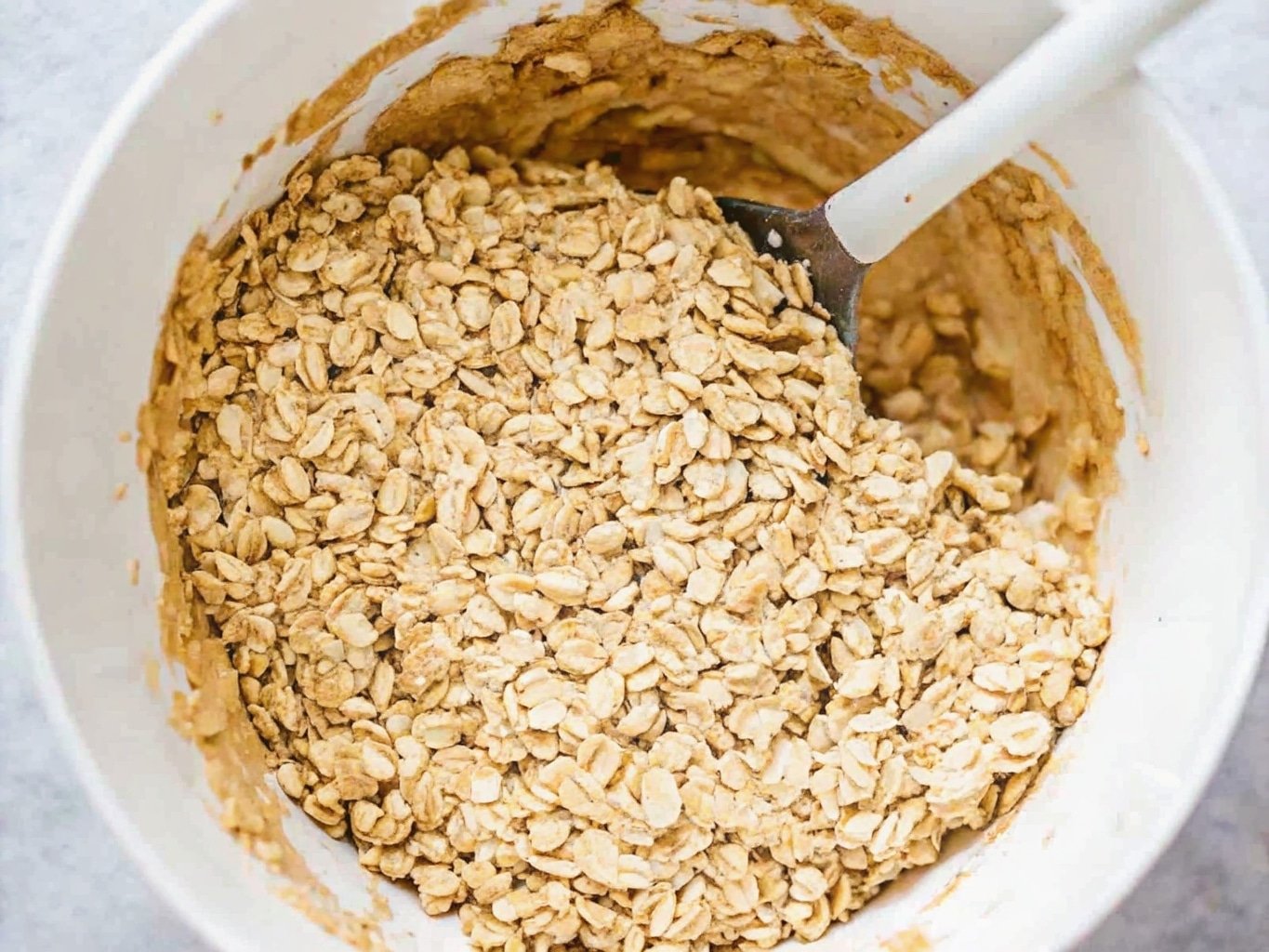
6. Stir in the rolled oats. If using raisins or chocolate chips, fold them in gently.
7. Scoop about 2 tablespoons of dough per cookie and place on prepared baking sheet, leaving 2 inches between each scoop.
8. Bake for 11–13 minutes, or until the edges are golden brown but the centers are still soft.
9. Allow cookies to cool on the baking sheet for 5 minutes before transferring to a wire rack to cool completely.
Notes
Use room-temperature butter for best creaming results.
Always choose old-fashioned rolled oats, not quick oats, for that signature chewy texture.
Soak raisins in warm water for 10 minutes before adding to prevent dryness.
Do not overmix the dough—mix just until ingredients are incorporated.
Let cookies cool fully before stacking or storing to maintain texture.
- Prep Time: 15 minutes
- Cook Time: 12 minutes
- Method: Baking
- Cuisine: American
- Diet: Vegetarian