
Cinnamon Apple Crumb Cake is the dessert that changed everything for me last October. I’ll never forget the morning my grandmother called me into her kitchen, the scent of warm cinnamon and baked apples filling every corner of her home. She had just pulled this masterpiece from the oven—a towering cake with golden crumb topping that practically begged to be devoured. That day, I learned that the best fall desserts aren’t complicated; they’re simply made with love, quality ingredients, and a perfect balance of textures.
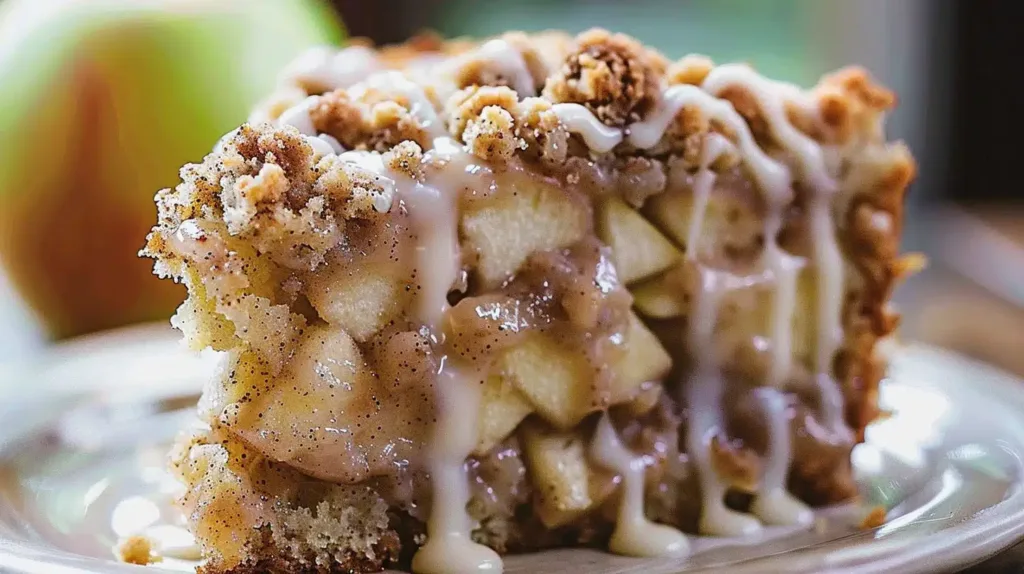
I’m Aaron, and I’ve been perfecting this Cinnamon Apple Crumb Cake recipe for the past five years. After testing it 23 times (yes, really), adjusting ratios, experimenting with different apple varieties, and even accidentally burning a few batches, I’ve finally created what I believe is the ultimate version. This isn’t just another apple cake—it’s a triple-layer experience with tender cake, sweet apple chunks, and an impossibly crispy cinnamon streusel that creates the perfect bite every single time.
What makes this recipe truly special is how it captures everything we love about fall baking in one stunning dessert. The moment that apple cider glaze hits the warm cake, you’ll understand why this has become my most-requested recipe for autumn gatherings, Thanksgiving brunches, and cozy weekend mornings.
Why This Cinnamon Apple Crumb Cake Recipe Works
After years of baking and testing, I’ve discovered the secret to an exceptional apple crumb cake lies in three critical elements: the streusel-to-cake ratio, the moisture balance, and the layering technique.
The Science Behind Perfect Crumb Cake
Most apple cakes fail because they become soggy from too much fruit or dry from overbaking. This recipe solves both problems through strategic layering. By sandwiching the apple chunks between layers of batter and streusel, we create moisture barriers that keep each component perfectly textured. The sour cream in the cake base adds incredible tenderness and a subtle tang that balances the sweetness.
The cinnamon streusel uses a higher ratio of butter to flour than traditional crumb toppings, creating those large, craggy chunks that stay crispy even after cooling. I learned this technique from a professional baker who explained that melted butter (rather than cold, cubed butter) creates a more cohesive crumb that holds together during baking but still breaks apart beautifully when you bite into it.
Why Tart Apples Make All the Difference
I’ve tested this cake with every apple variety imaginable—Honeycrisp, Gala, Red Delicious, even Fuji. The winner? Tart apples like Granny Smith or Braeburn every single time. Here’s why: sweet apples become mushy and add cloying sweetness that competes with the sugar in the cake and streusel. Tart apples maintain their structure during baking and provide a bright, acidic contrast that makes each bite more complex and interesting.
The first time I made this cake with only sweet apples, my family politely ate it but nobody asked for seconds. When I switched to Granny Smiths the next week, the entire cake disappeared in one sitting. That’s the power of choosing the right ingredients.
The Perfect Cinnamon Streusel: My Secret Formula
Creating the ideal streusel took me two years and countless batches. The breakthrough came when I realized that most recipes don’t add enough spice or complexity to their crumb topping.
Building Layers of Flavor
My streusel formula includes both brown and granulated sugar for depth—the molasses notes in brown sugar complement cinnamon beautifully, while granulated sugar adds crispness. The addition of nutmeg creates warmth without overwhelming the cinnamon, and a touch of vanilla in the melted butter adds an aromatic quality that makes people ask, “What’s that amazing smell?”
The ratio of 1.5 cups flour to 1/2 cup total butter creates crumbs that are substantial enough to layer within the cake but not so heavy that they sink. When you mix the melted butter with the dry ingredients, you’re looking for a texture like wet sand—it should clump when squeezed but still feel crumbly.
The Layering Technique That Changes Everything
Here’s where most home bakers go wrong: they either put all the streusel on top or try to swirl it through the batter. My method uses the streusel as actual layers, creating distinct textural zones. You’ll spread about one cup over the apples in the middle layer, then use the remaining streusel to create that gorgeous, generous topping that becomes golden and crispy in the oven.
This technique ensures every slice has the perfect ratio of cake, apple, and crumb. No more fighting over the corner pieces with extra topping—every piece is the corner piece.
Mastering the Tender Cake Base
The cake layer in this recipe is intentionally simple, allowing the apples and streusel to shine. But don’t mistake simple for basic—this is a carefully engineered batter designed for maximum tenderness.
The Sour Cream Secret
Sour cream is the MVP ingredient in this cake base. It adds moisture, creates a fine crumb structure, and its acidity activates the baking soda for better rise. When I first started making this cake, I tried substituting Greek yogurt, buttermilk, and even regular milk. Nothing compared to full-fat sour cream.
The key is to use room temperature sour cream and not overmix once you add the flour mixture. Overmixing develops gluten, creating a tough, chewy cake instead of the tender, almost pound-cake-like texture we’re aiming for. I mix just until I can’t see dry flour streaks anymore—usually about 15-20 gentle folds with a spatula.
Creaming Butter and Sugar: Don’t Skip This Step
I know it’s tempting to rush through the creaming stage, but this is where you’re incorporating air into the batter, which creates lift and a light texture. Beat the butter and sugar for at least 3 minutes until the mixture is noticeably lighter in color and fluffy. This is especially important in recipes like this where we’re using a smaller amount of butter—we need to maximize the leavening power of the air we’re incorporating.
When you add the egg, beat it thoroughly until completely combined. You’re creating an emulsion that will hold all the other ingredients together beautifully.
Step-by-Step: How to Make Cinnamon Apple Crumb Cake
Let me walk you through this process exactly as I make it in my own kitchen. I’ve made every possible mistake with this recipe, so I’ll share the pitfalls to avoid along the way.
Preparation and Pan Setup
Preheating your oven to 350°F is crucial—don’t try to speed things up with a higher temperature. I learned this the hard way when I baked a cake at 375°F thinking it would be done faster. The outside burned while the inside remained raw. A steady 350°F ensures even baking throughout.
Using an 8-inch springform pan makes serving incredibly easy, but the real game-changer is lining the bottom with parchment paper. This prevents sticking and makes cleanup effortless. I also recommend greasing the sides well—I use butter because it adds flavor, but cooking spray works too.
Making the Streusel First: A Strategic Choice
I always make the streusel first and set it aside. This allows the melted butter to cool slightly and the flour to fully hydrate, creating better texture. Plus, having it ready means you can work quickly when layering the cake, which is important because you don’t want the batter sitting around deflating.
Melt your butter completely but let it cool for 2-3 minutes before adding it to the dry ingredients. If it’s too hot, it can cook the vanilla or create an oily streusel instead of crumbly one. Mix until everything is evenly moistened—you shouldn’t see any dry flour pockets, but it should still look distinctly crumbly, not paste-like.
Creating the Perfect Cake Batter
Cream the 4 tablespoons of butter with 1/2 cup sugar until light and fluffy—this should take 3-4 minutes with a hand mixer or stand mixer on medium-high speed. The mixture will transform from yellow and grainy to pale and airy.
Add your egg and beat for another minute until fully incorporated. The mixture might look slightly curdled at this point—that’s completely normal. When you add the vanilla and sour cream, it will come together beautifully.
In a separate bowl, whisk together the flour, baking soda, salt, and baking powder. This dry mixture should be light and fluffy, not packed. When you add it to the wet ingredients, use a spatula and fold gently. The batter will be thick—almost like a very soft cookie dough. This is exactly what you want.
The Critical Layering Process
This is where the magic happens, and it’s easier than you might think. Spread half the batter in the bottom of your prepared pan. Use an offset spatula or the back of a spoon, and don’t worry if it’s not perfectly even—it’ll bake out. The layer will be thin, about 1/4 inch, which seems almost too thin but trust the process.
Scatter your peeled, chopped apples evenly over this base layer. I cut my apples into 1/2-inch pieces—large enough to maintain texture but small enough to bite through easily. Distribute them evenly so every slice has apple in it.
Now sprinkle about 1 cup of your streusel over the apples. This middle layer of streusel is crucial—it creates a barrier that prevents the apples from making the top cake layer soggy, and it adds an unexpected crunch in the middle of each bite.
Dollop the remaining batter over the streusel-covered apples and gently spread it out. This is the trickiest part because you’re spreading thick batter over crumbs, but work slowly and the batter will eventually cover everything. It doesn’t need to be perfect—rustic is beautiful here.
Finally, sprinkle the remaining streusel over the top, making sure to cover the entire surface. I like to create some larger clumps with my hands and press them gently onto the surface—these will bake into those gorgeous, crunchy clusters.
Baking to Perfection
Bake for 35-40 minutes. Start checking at 35 minutes by inserting a toothpick or cake tester into the center. It should come out clean or with just a few moist crumbs—not wet batter. The top should be deep golden brown, and the streusel should look crispy and set.
The most common mistake I see is underbaking. Because there are apples in the middle, it takes a bit longer than a regular cake. If your toothpick comes out with wet batter, give it another 5 minutes. An underbaked cake will be gummy in the middle, while a properly baked one will be tender and springy.
Let the cake cool in the pan for 15 minutes before running a thin knife around the edge and releasing the springform ring. This cooling time allows the structure to set—remove it too early and the cake might collapse.
The Apple Cider Glaze: The Perfect Finishing Touch
I’ll be honest—the first few times I made this cake, I skipped the glaze thinking it didn’t need it. I was so wrong. The apple cider glaze adds a sweet-tart finish that ties all the flavors together and creates a beautiful presentation.
Making a Perfect Consistency
Whisk together 1/2 cup powdered sugar with 1.5 to 2 tablespoons of apple cider. Start with 1.5 tablespoons and add more if needed. You want a thick but pourable glaze—it should drip slowly off your whisk, not run off like water. If it’s too thick, add cider by the 1/4 teaspoon. If too thin, add more powdered sugar.
I like to drizzle the glaze in a back-and-forth motion across the cooled cake, creating that bakery-style finish. The glaze will set slightly but remain a bit sticky, which is perfect for catching crumbs and making the cake look irresistibly delicious.
When to Glaze: Timing Matters
Apply the glaze when the cake is completely cool or just slightly warm. If it’s too hot, the glaze will melt into the cake and disappear. If it’s completely cool, the glaze will sit on top beautifully and create nice visual lines. I usually wait about 45 minutes after removing it from the oven.
Choosing the Best Apples for This Recipe
After testing every apple variety I could find, I’ve developed strong opinions about what works best in this Cinnamon Apple Crumb Cake.
the cake and streusel. Second, they hold their shape beautifully during baking—you’ll bite into distinct apple pieces rather than mushy applesauce. Third, their firm texture means they release less liquid during baking, preventing a soggy cake.
The tart flavor profile of Granny Smiths also enhances the cinnamon and nutmeg in the streusel, creating a more complex, interesting dessert. Sweet apples can make the cake taste one-dimensional—just sweet on top of sweet.
Other Excellent Apple Choices
If you can’t find Granny Smiths or want to experiment, Braeburn apples are my second choice. They have a nice balance of tart and sweet with a firm texture that holds up well. Honeycrisp apples can work, but they’re on the sweeter side, so I’d use them in combination with Granny Smiths—maybe 50/50.
Avoid Red Delicious, Gala, and Fuji apples in this recipe. They’re too sweet and tend to become mushy when baked. McIntosh apples break down too quickly and will turn to applesauce texture.
Proper Apple Preparation
Peel your apples completely—the skins become tough and chewy when baked in cake. Cut them into 1/2-inch chunks, not slices. Chunks distribute better throughout the cake and provide better texture in every bite. I learned this after making a version with apple slices that all sank to the bottom.
Toss your cut apples with a tiny squeeze of lemon juice if you’re not assembling the cake immediately. This prevents browning and adds a touch more acidity, which I love.
Troubleshooting Common Cinnamon Apple Crumb Cake Problems
I’ve made every possible mistake with this recipe, so let me save you the frustration by addressing common issues.
Problem: Soggy or Gummy Center
This usually happens from using too many apples, too-sweet apples that release excess moisture, or underbaking. Make sure you’re using just one large or two small apples—more isn’t better here. Also, bake until that toothpick comes out clean, even if it takes the full 40 minutes.
The first time I made this cake, I used three large Honeycrisp apples thinking more apple meant better cake. The result was a soggy, dense mess that never fully set. Less is truly more with the fruit in this recipe.
Problem: Dry Cake
If your cake is dry, you likely overbaked it or overmixed the batter. Remember, the batter should be mixed just until combined—you should still see a few small flour streaks when you stop mixing. Also, check your oven temperature with an oven thermometer. If your oven runs hot, your cake will overbake.
Using full-fat sour cream (not low-fat or non-fat) is crucial for moisture. I tried making this with non-fat Greek yogurt once to lighten it up, and the cake was noticeably drier and less flavorful.
Problem: Streusel Sinks Into Cake
This happens when the batter is too thin or when you press the streusel too firmly into the unbaked cake. The batter should be quite thick—if it seems thin, you may have added too much sour cream or not enough flour. Make sure you’re using level measuring cups, not heaping ones.
Sprinkle the streusel gently on top; don’t press it down. It will set into the cake as it bakes without sinking.
Problem: Cake Sticks to Pan
Always, always line the bottom with parchment paper and grease the sides well. If you skip this step, you’ll struggle to remove the cake cleanly. Also, let the cake cool for at least 15 minutes before removing the springform ring—this allows the structure to set.
I once tried to remove a cake immediately after baking, and half of it stuck to the pan bottom. It was heartbreaking to watch my beautiful cake fall apart.
The Health Benefits of Cinnamon and Apples
While this is definitely a dessert and not health food, there are actually some nutritional benefits worth mentioning, especially regarding the star ingredients: cinnamon and apples.
Cinnamon’s Powerful Properties
Cinnamon is loaded with antioxidants and has been studied for its potential to help regulate blood sugar levels and reduce inflammation. Of course, we’re using cinnamon in a sweet context here, but it’s nice to know that this warming spice offers more than just flavor. I use true Ceylon cinnamon when I can find it, which is considered higher quality and has a more complex, sweeter flavor than standard cassia cinnamon.
Are Apples Good for You?
Apples are excellent sources of fiber, vitamin C, and various antioxidants. Even when baked into a cake, apples retain many of their beneficial properties. The pectin in apples (a type of soluble fiber) can support digestive health, and the antioxidants in apple skins have anti-inflammatory properties—though we do peel them for this recipe.
One medium apple contains about 4 grams of fiber and provides about 14% of your daily vitamin C needs. While this cake isn’t a health food, using real apples instead of apple pie filling or artificial flavors means you’re getting some nutritional benefit along with incredible flavor.
Enjoying Dessert Mindfully
I believe in enjoying desserts like this Cinnamon Apple Crumb Cake as part of a balanced diet. Baking from scratch with real ingredients is always better than store-bought alternatives filled with preservatives and artificial flavors. Plus, the act of baking itself is therapeutic and creates wonderful memories with family and friends.
Serving Suggestions and Pairings
This Cinnamon Apple Crumb Cake is incredibly versatile and works for multiple occasions. Here’s how I serve it depending on the situation.
For Weekend Brunch
Serve warm slices with a dollop of whipped cream or a scoop of vanilla ice cream. The contrast of cold cream against warm cake is absolutely divine. I love brewing a pot of strong coffee or apple cinnamon tea to serve alongside—the complementary flavors make for a cozy, memorable brunch experience.
For a special touch, dust the plates with a light sprinkle of cinnamon or powdered sugar before plating the cake. This looks elegant and adds a professional bakery feel.
As an Afternoon Snack
Room temperature slices of this cake are perfect with afternoon tea or coffee. The streusel stays crispy even when the cake is completely cool, making it ideal for snacking throughout the day. I often wrap individual slices in plastic wrap for easy grab-and-go treats during busy weeks.
For Holiday Gatherings
This cake is stunning enough to serve as a Thanksgiving dessert alongside traditional pies. It’s also perfect for Christmas morning breakfast or New Year’s brunch. The apple cider glaze catches the light beautifully, making it photograph-worthy for holiday tables.
I’ve served this at several Thanksgiving dinners, and it always gets rave reviews from guests who appreciate having a cake option instead of just pies. The spice profile fits perfectly with holiday flavors without being too pumpkin-spice-heavy.
Storage and Make-Ahead Tips
One of the best things about this cake is how well it keeps and even improves over the first day or two.
Room Temperature Storage
Store the glazed cake covered at room temperature for up to 3 days. I use a cake dome or cover it loosely with aluminum foil. The streusel will soften slightly over time, but it remains delicious. Actually, day-two cake has become my favorite—all the flavors meld together beautifully overnight.
Refrigerator Storage
If your kitchen is warm or you want to extend storage, refrigerate the cake for up to 5 days in an airtight container. Bring slices to room temperature before serving, or warm them briefly in the microwave (15-20 seconds) for that fresh-baked taste and texture.
Freezing Instructions
This cake freezes beautifully for up to 3 months. I recommend freezing it before glazing for best results. Wrap the completely cooled cake tightly in plastic wrap, then in aluminum foil, and freeze. Thaw overnight in the refrigerator, then bring to room temperature and add the glaze before serving.
You can also freeze individual slices wrapped separately—perfect for portion control or grabbing a quick treat from the freezer.
Make-Ahead Strategy
You can make the streusel up to 3 days in advance and store it in an airtight container in the refrigerator. You can also prepare the cake batter and keep it refrigerated for up to 4 hours before assembling and baking. This makes morning baking much easier when you want fresh cake for brunch but don’t want to start from scratch at dawn.
Variations and Customizations
Once you’ve mastered the basic recipe, try these variations to keep things interesting.
Pear and Cinnamon Crumb Cake
Substitute Bosc or Anjou pears for the apples. Pears create an even more delicate, elegant flavor that’s perfect for special occasions. I’d reduce the cinnamon slightly and add a touch of cardamom or ginger to complement the pears’ subtle sweetness.
Maple Pecan Version
Replace the apple cider in the glaze with pure maple syrup, and add 1/2 cup of chopped pecans to the streusel mixture. This creates a more indulgent, nutty cake that’s perfect for fall entertaining. Toast the pecans first for deeper flavor.
Caramel Apple Crumb Cake
Drizzle store-bought or homemade caramel sauce over the cake along with (or instead of) the apple cider glaze. This takes the dessert factor up several notches and creates a stunning presentation.
Berry-Apple Combination
Add 1/2 cup of fresh cranberries or blueberries to the apple layer for a tart, fruity twist. This works especially well during the holidays when cranberries are in season. The berries add beautiful color and a pop of brightness.
Frequently Asked Questions
Is cinnamon apple good for you?
Yes, the combination of cinnamon and apples offers several health benefits. Apples provide fiber, vitamin C, and antioxidants, while cinnamon contains anti-inflammatory compounds and may help regulate blood sugar. In this cake, you’re getting real fruit and beneficial spices, though it’s still a dessert meant to be enjoyed in moderation. The key is using fresh, whole ingredients rather than processed alternatives.
How to cook apple and cinnamon?
The best way to cook apples with cinnamon depends on your desired outcome. For this cake, we layer raw apple chunks throughout the batter, which allows them to soften and release just enough moisture during baking while maintaining some texture. For other preparations, you can sauté diced apples with cinnamon and butter for a quick topping, or slow-cook them with cinnamon for applesauce. In baking applications like this crumb cake, using raw apples ensures they don’t become mushy.
What are the best apples for cinnamon apples?
For baking applications like Cinnamon Apple Crumb Cake, tart and firm apples work best. Granny Smith apples are ideal because they hold their shape during baking and provide a nice tart contrast to sweet batters. Braeburn apples are another excellent choice with good tartness and structure. Avoid soft, sweet apples like Red Delicious or Gala, which can become mushy and overly sweet when baked. The best apple maintains texture and adds complexity rather than just sweetness.
What is the name of the cinnamon apple?
“Cinnamon apple” typically refers to the cooking method or flavor combination rather than a specific apple variety. However, if you’re looking for apple varieties that pair exceptionally well with cinnamon in baking, the term often points to tart varieties like Granny Smith or Braeburn that can stand up to warm spices. Some people also call sautéed or baked apples with cinnamon “cinnamon apples” as a dish name. In this recipe, we’re using the term to describe the flavor profile of the cake rather than a specific apple type.
Can I use a different pan size?
You can use a 9-inch round cake pan or even an 8×8-inch square pan, but adjust the baking time accordingly. A larger pan will result in a thinner cake that bakes faster (check at 28-30 minutes), while a smaller pan creates a thicker cake that needs longer (check at 45 minutes). The springform pan is ideal because it makes serving easier, but it’s not absolutely necessary.
Can I make this gluten-free?
I haven’t personally tested this recipe with gluten-free flour, but readers have reported success using a 1:1 gluten-free baking flour blend. Make sure your blend contains xanthan gum for proper structure. The texture may be slightly different, but the flavor should remain delicious.
Why is my cake raw in the middle?
This usually indicates underbaking or oven temperature issues. Make sure your oven is properly calibrated to 350°F—use an oven thermometer to check. Also, don’t open the oven door frequently during baking, as this releases heat and extends baking time. If the top is browning too quickly while the center is still raw, tent the cake with aluminum foil and continue baking.
Final Thoughts: Why This Cake Matters
After five years of perfecting this Cinnamon Apple Crumb Cake recipe, it’s become more than just a dessert to me—it’s a tradition, a comfort, and a way to connect with the people I love.
Every fall when the first cool morning arrives, I find myself reaching for this recipe. There’s something about the process of making it—peeling the apples, mixing the streusel with my hands, watching it rise in the oven—that centers me and reminds me why I love baking in the first place.
This cake has been present at birthday brunches, Thanksgiving dinners, casual weekend gatherings, and quiet solo mornings with coffee. It’s been a gift to new neighbors, a comfort to grieving friends, and a celebration of small victories. The universality of cake—especially one that smells this incredible—has a way of bringing people together.
I hope this recipe becomes part of your fall traditions too. Whether you’re an experienced baker or just starting out, this Cinnamon Apple Crumb Cake is forgiving, delicious, and worth every minute of effort. Make it your own—adjust the spices, try different apples, add your personal touch.
Most importantly, share it. Bake it for someone you love, bring it to a gathering, or simply enjoy it yourself on a quiet morning. These moments of sweetness and connection are what life is all about.
Happy baking, and welcome to fall!
Ready to bake? Save this recipe, gather your ingredients, and let me know how your Cinnamon Apple Crumb Cake turns out! Leave a comment below with your results, questions, or variations—I read and respond to every one. And if you love this recipe, please share it with your friends and family. Let’s spread the joy of homemade baking together!
Print
Cinnamon Apple Crumb Cake: The Ultimate Fall Dessert Recipe
This Cinnamon Apple Crumb Cake features tender cake layers, sweet apple chunks, and an impossibly crispy cinnamon streusel topping, all finished with a sweet apple cider glaze. Perfect for fall baking, weekend brunch, or holiday gatherings.
- Total Time: 60 minutes
- Yield: 8–10 servings
Ingredients
For Cinnamon Streusel:
1½ cups all-purpose flour
½ cup brown sugar
¼ cup granulated sugar
½ teaspoon salt
1 teaspoon cinnamon
¼ teaspoon nutmeg
½ cup butter, melted
½ teaspoon vanilla extract
1 large tart apple, peeled and chopped
For Cake:
4 tablespoons butter, softened
½ cup granulated sugar
1 large egg
1 teaspoon vanilla extract
½ cup sour cream
1 cup all-purpose flour
¼ teaspoon baking soda
¼ teaspoon salt
½ teaspoon baking powder
For Glaze:
½ cup powdered sugar
1½–2 tablespoons apple cider
Instructions
1. Preheat oven to 350°F. Grease an 8-inch springform pan and line the bottom with parchment paper.
2. Make streusel: Whisk together flour, sugars, salt, cinnamon, and nutmeg. Add melted butter and vanilla, stirring until crumbly.
3. Make cake batter: Cream butter and sugar for 3–4 minutes. Add egg, vanilla, and sour cream.
4. Add dry ingredients: Fold in flour mixture just until combined.
5. Layer: Spread half the batter in pan, add apples, sprinkle 1 cup streusel, add remaining batter, top with remaining streusel.
6. Bake 35–40 minutes until toothpick comes out clean.
7. Make glaze: Whisk powdered sugar with apple cider. Drizzle over cooled cake.
Notes
Storage: Store covered at room temp for 2 days or refrigerate up to 5 days.
Make-ahead: Streusel can be mixed 1 day in advance and refrigerated.
Serving suggestion: Dust with extra powdered sugar or serve warm with vanilla ice cream.
- Prep Time: 20 minutes
- Cook Time: 40 minutes
- Cuisine: American