There is something undeniably mesmerizing about the first time you pour cream into a glass of deep amber Thai tea. The way the white clouds swirl into the vibrant orange liquid is a visual treat that rivals the drink’s incredible flavor. If you have ever found yourself craving that signature sweet, spiced, and creamy profile from your favorite boba shop, you are in luck.
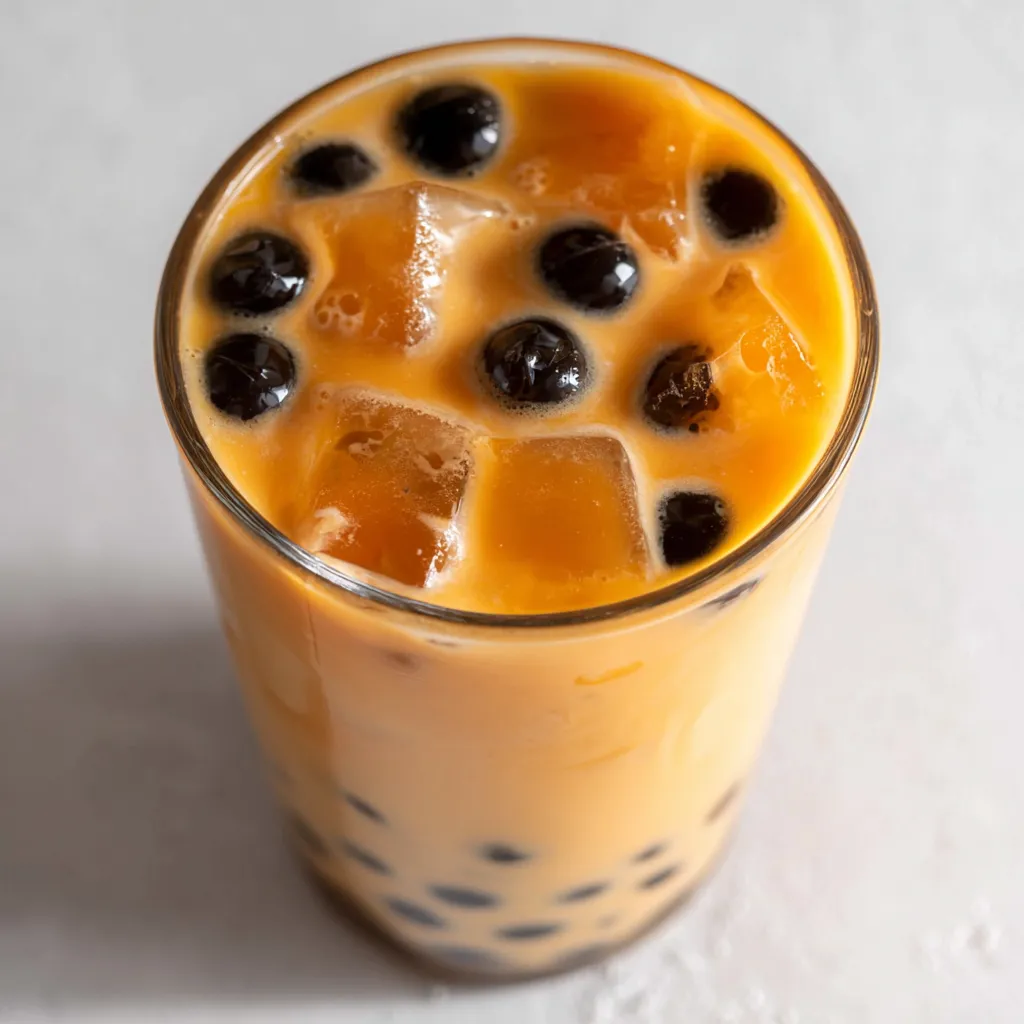
Making authentic Thai Iced Tea with boba at home is surprisingly simple, yet it requires a few specific techniques to get that restaurant-quality finish. From selecting the right tea blend to mastering the “QQ” texture of the tapioca pearls, this guide covers everything you need to know. Whether you are hosting a summer BBQ or just need a mid-afternoon pick-me-up, this recipe delivers a refreshing, caffeinated boost that is far superior to anything you will find in a powdered mix.
Why You’ll Love This Recipe
You will absolutely love this recipe because it strikes the perfect balance between authenticity and convenience. Unlike store-bought versions that are often overly syrupy or made with artificial powders, this version uses real Thai tea leaves steeped to perfection. By adding a touch of extra black tea, we amplify the robust earthy notes that can sometimes get lost behind the sweetness of the milk. Additionally, cooking your boba fresh ensures that every sip includes a soft, chewy pearl rather than the hard, chalky ones often found in pre-made drinks. It is customizable, budget-friendly, and offers that iconic aesthetic that looks stunning on any table.
What Is Thai Iced Tea?
Thai Iced Tea, known as Cha Yen in Thailand, is a popular beverage made from strongly brewed black tea spiced with ingredients like star anise, crushed tamarind, and cardamom. Its most striking feature is its vivid orange color, which traditionally comes from food coloring added to the tea mix. The drink is heavily sweetened with sugar and condensed milk, then topped with evaporated milk for a silky, layered effect. In the context of “boba” or “bubble tea,” we add chewy tapioca pearls to the bottom of the glass, blending the classic Thai flavors with the playful texture of Taiwanese tea culture.
Ingredients Overview
To achieve the best results, quality ingredients are paramount.
- Thai Tea Mix: Look for brands like Pantai or ChaTraMue. This is a blend of black tea and spices that provides the base flavor and that signature orange hue.
- Black Tea: I recommend adding a teaspoon of high-quality loose-leaf black tea (like Ceylon or Assam). This reinforces the “tea” flavor, ensuring it isn’t overshadowed by the sugar and milk.
- Sweetened Condensed Milk: This acts as both the sweetener and a thickener, giving the tea its characteristic body.
- Evaporated Milk: This adds creaminess without the heaviness of heavy cream. It’s thinner than condensed milk but richer than regular milk.
- Tapioca Pearls (Boba): Use “5-minute” or “quick-cook” pearls for ease, or traditional dried pearls for a firmer texture.
- Brown Sugar: Used to sweeten the tea base and provide a hint of molasses flavor that complements the spices.
Ingredient Substitutions & Tips
If you don’t have all the ingredients on hand, there are a few adjustments you can make. While I strongly advise against replacing evaporated milk with regular milk (as you’ll lose that specific “canned milk” flavor profile typical of Thai street food), you can use heavy cream for a richer drink. For a dairy-free version, coconut milk and coconut condensed milk work beautifully and actually complement the tropical notes of the tea. If you cannot find Thai tea mix, you can use strong black tea with a drop of vanilla extract and a pinch of star anise, though the color will be naturally brown rather than orange.
Step-by-Step Instructions
1. Brew the Tea Base
Start by heating 1 cup of filtered water to 195°F. In a heat-proof pitcher or large mug, combine 1 tablespoon of Thai tea mix and 1 teaspoon of black tea. Pour the hot water over the leaves and let it steep for exactly 5 minutes. If you steep it too long, it can become overly bitter.
2. Strain and Sweeten
Using a fine-mesh sieve or a traditional Thai tea “sock” (cloth filter), strain the tea into a clean container. While the liquid is still hot, add 1 tablespoon of brown sugar and stir until completely dissolved. Set this aside to cool to room temperature, or refrigerate if you aren’t serving it immediately.
3. Cook the Boba
Bring ¾ cup of water to a rolling boil in a small saucepan. Add your ¼ cup of tapioca balls. Once they float to the surface, reduce the heat to medium and simmer for 8-10 minutes (or follow your package’s specific timing). Stir occasionally to prevent them from clumping.
4. Drain and Prep the Milk
Drain the boba and let them sit in a small bowl. They should be warm when served. In a separate small glass, stir together 2 tablespoons of sweetened condensed milk and ¼ cup of evaporated milk until smooth.
5. The Grand Assembly
Place the warm boba at the bottom of a tall glass. Fill the glass to the brim with ice cubes. Slowly pour the cooled tea over the ice, leaving about an inch of space at the top. Finally, pour the milk mixture over the tea and watch the beautiful marbling effect happen!
Expert Cooking Tips
- Temperature Control: Using 195°F water is the sweet spot. Boiling water (212°F) can scorch the delicate tea leaves, leading to an astringent taste.
- The Warm Boba Secret: Never put cold boba into your drink. The starch in tapioca pearls hardens when cold. By adding warm pearls to the glass first, they stay soft and “bouncy” longer, even as the ice cools the rest of the drink.
- Filtered Water: Since tea is 99% water, using filtered water removes chlorine and minerals that can distort the floral notes of the Thai tea spices.
- Stronger is Better: Always brew the tea stronger than you think you need. The ice will inevitably dilute the mixture as you drink it.
The Secret to the Signature Orange Color
Many people wonder why Thai tea is so orange. Originally, the color was a byproduct of the crushed seeds and spices used in the blend. However, modern commercial Thai tea mixes use food coloring (usually FD&C Yellow No. 6) to maintain that iconic, neon-orange look. If you prefer a natural alternative, you can find “organic” Thai tea blends that use beet powder or turmeric for coloring, though the flavor will slightly differ. The orange color is so deeply associated with the experience of Thai tea that for many, the drink simply doesn’t “taste right” without it!
Serving Suggestions
Serve your Thai Iced Tea with boba immediately after assembly. It is essential to use a wide boba straw so you can enjoy the tapioca pearls with every sip. For a full Thai-inspired meal, pair this drink with spicy Pad Thai or a fragrant Green Curry. The creamy, sweet nature of the tea acts as a perfect palate cleanser to cut through the heat of spicy Thai chilies.
Storage & Make-Ahead Tips
The tea base (the brewed tea with sugar) can be made in bulk and stored in an airtight jar in the refrigerator for up to 4 days. Do not add the milk or boba until you are ready to serve. Cooked boba, however, does not store well; it should be consumed within 4 hours of cooking. If it sits too long, it becomes mushy or hardens in the center.
FAQs
1. Can I make this tea without the orange food coloring?
Yes, you can buy “uncolored” Thai tea mixes or use a strong Assam black tea with star anise and vanilla, though it will look like a standard milk tea rather than authentic Thai tea.
2. Why are my boba pearls hard?
Boba pearls usually turn hard if they weren’t cooked long enough or if they have been sitting in cold liquid for too long. Always serve them warm and fresh.
3. Is Thai Iced Tea high in caffeine?
Yes, it is made from fermented black tea leaves, so it contains a significant amount of caffeine—roughly equivalent to a strong cup of English Breakfast tea.
4. Can I use honey instead of brown sugar?
You can, but brown sugar provides a specific caramel-like depth that pairs better with the spices in Thai tea.
5. What if I don’t have evaporated milk?
You can substitute with half-and-half or heavy cream, but the taste will be slightly more “dairy-forward” and less like the traditional canned milk flavor.

Thai Iced Tea with Boba Recipe
A refreshing and authentic Thai Iced Tea experience featuring the iconic orange-hued spiced tea and chewy brown sugar boba pearls. This recipe yields a restaurant-quality beverage with the perfect balance of sweetness and creaminess.
- Total Time: 25 minutes
- Yield: 1 large serving
Ingredients
Thai tea mix – 1 tablespoon
Loose leaf black tea – 1 teaspoon
Filtered water – 1 cup
Brown sugar – 1 tablespoon
Evaporated milk – ¼ cup
Sweetened condensed milk – 2 tablespoons
Tapioca balls (boba) – ¼ cup
Water (for boiling boba) – ¾ cup
Ice – 1 cup
Instructions
Steep the tea. Heat filtered water to 195°F. Add Thai tea mix and black tea, steeping for 5 minutes to extract maximum flavor.
Strain and sweeten. Strain the tea leaves using a fine-mesh sieve or cloth filter. Stir in brown sugar while the tea is hot. Set aside to cool.
Prepare boba. Bring ¾ cup water to a rolling boil. Add tapioca balls and cook on medium-high for 8-10 minutes. Stir occasionally to prevent sticking.
Drain boba. Once the pearls are translucent and chewy, drain them. Allow them to cool slightly, but keep them warm for the best texture.
Prepare milk mixture. In a small bowl, whisk together the evaporated milk and sweetened condensed milk until fully combined.
Assemble. Place the warm boba at the bottom of a tall glass. Fill with ice, then pour the cooled tea over the ice.
Finish and serve. Pour the milk mixture over the top. Serve immediately with a wide straw and stir before enjoying.
Notes
• Use a high-quality Thai tea mix (like Pantai or ChaTraMue) for the most authentic flavor and color.
• Always keep boba warm before serving; cold pearls become tough and lose their “QQ” texture.
• You can brew the tea base up to 4 days in advance and store it in the fridge—just don’t add the milk or boba until you’re ready to drink.
• For a lower-calorie version, you can swap the sugar for stevia, but the condensed milk is essential for the mouthfeel.
- Prep Time: 10 minutes
- Cook Time: 15 minutes
- Cuisine: Thai