
There is something inherently comforting about a recipe that relies on simple pantry staples to produce something extraordinary. The Irish Tea Cake is exactly that—a humble yet sophisticated dessert that has graced Irish tables for generations. Unlike dense fruitcakes or overly sweet frosted confections, this cake celebrates the purity of butter, vanilla, and a soft, tight crumb. Whether you are hosting a formal afternoon tea or simply looking for a quick sweet treat to enjoy with your morning coffee, this recipe delivers a consistent, melt-in-your-mouth texture that never fails to impress. It’s the kind of cake that invites you to slow down, put the kettle on, and enjoy a moment of quiet indulgence. Let’s dive into how you can recreate this classic bakery-style staple in your own kitchen with minimal effort and maximum reward.
Why You’ll Love This Recipe
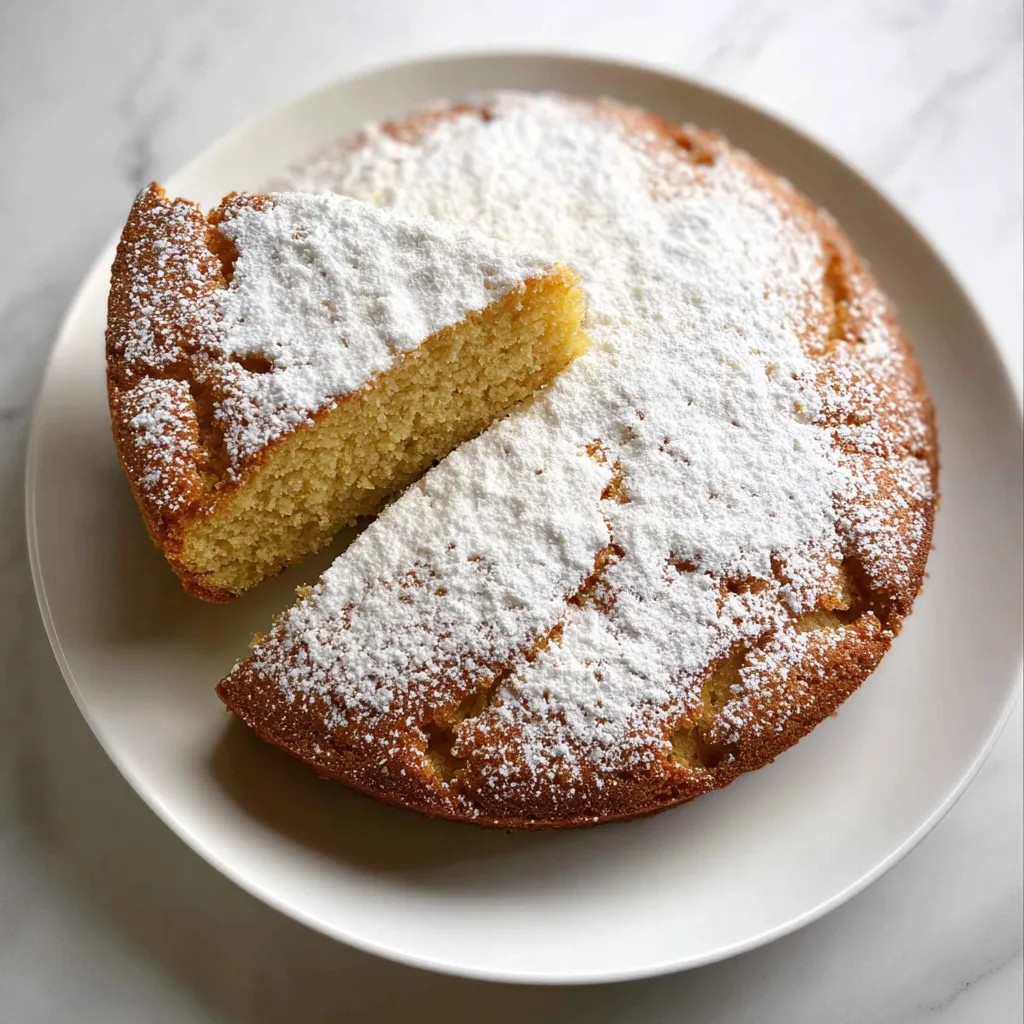
You will fall in love with this Irish Tea Cake because of its incredible versatility and foolproof nature. First, it uses basic ingredients you likely already have in your kitchen, making it a perfect “emergency” dessert for unexpected guests. Second, the texture is the ideal middle ground between a sponge cake and a pound cake—sturdy enough to hold up to a dollop of cream, yet light enough to feel airy. It isn’t overly sweet, which allows the rich buttery flavor to shine through. Finally, it’s a one-pan wonder that requires no fancy decorating skills; a simple dusting of powdered sugar creates an elegant, professional finish every single time.
What Is Irish Tea Cake?
Traditionally, an Irish Tea Cake is a simple, single-layer butter cake that is served during “tea time” in Ireland. It is distinct from the heavy, spice-laden “Barmbrack” or the dense Irish Soda Bread. Instead, it is more akin to a Victoria Sponge but often slightly more robust in crumb. Its history is rooted in rural Irish hospitality, where a quick cake could be whipped up while the tea was brewing. It serves as a neutral canvas, often enjoyed plain, but occasionally enhanced with a side of jam or fresh cream. It represents the heart of Irish home baking: practical, delicious, and meant to be shared with loved ones.
Ingredients Overview
To achieve the perfect Irish Tea Cake, the quality and temperature of your ingredients are paramount.
- Unsalted Butter (113g): Using high-quality butter provides the primary flavor profile. Ensure it is at room temperature to allow for proper aeration during the creaming process.
- Granulated Sugar (198g): This provides sweetness and helps tenderize the crumb.
- Large Eggs: Eggs act as the binding agent and provide structure. They should also be at room temperature to ensure the batter doesn’t “break” or curdle.
- Vanilla Extract: A full two teaspoons might seem like a lot, but it provides that signature aromatic warmth that defines a classic tea cake.
- All-Purpose Flour (210g): This provides the structure. Measuring by weight (grams) is highly recommended to avoid a dry, dense cake.
- Baking Powder: The leavening agent responsible for that gentle lift and soft texture.
- Salt: Just half a teaspoon to balance the sugar and enhance the buttery notes.
- Whole Milk (120g): Milk adds moisture and creates a silky batter. Whole milk is preferred for the added fat content which contributes to a richer mouthfeel.
- Confectioner’s Sugar: The finishing touch that adds a delicate sweetness and visual appeal.
Ingredient Substitutions & Tips
If you find yourself missing an ingredient, there are a few ways to pivot. For a dairy-free version, you can substitute the butter with a high-quality vegan butter stick and use almond or oat milk. While the flavor will shift slightly, the texture remains relatively consistent. If you want a bit of citrus flair, adding the zest of one lemon or orange to the sugar before creaming can brighten the entire profile. For those who prefer a deeper flavor, you can swap the vanilla extract for almond extract or even a splash of Irish whiskey for a more “spirited” traditional twist.
Step-by-Step Instructions
1. Preparation and Pan Prep:
Begin by preheating your oven to 350°F (175°C). The secret to a perfect release is greasing your 9-inch round pan thoroughly. I highly recommend placing a parchment paper circle at the bottom. This ensures that the delicate cake won’t stick, allowing you to flip it onto a serving plate without any stress.
2. Creaming the Base:
In a large mixing bowl, combine your softened butter and granulated sugar. Using a hand mixer or stand mixer, beat these together for about 2 minutes. You are looking for the mixture to turn pale yellow and become visibly “fluffy.” This process incorporates air, which is vital for the cake’s lift.
3. Incorporating Liquids:
Add your eggs one at a time, beating well after each addition. Pour in the vanilla extract. At this stage, the batter should look like a smooth, thick custard. If it looks slightly curdled, don’t worry—adding the flour will bring it back together.
4. The Alternating Method:
Whisk your dry ingredients (flour, baking powder, salt) in a separate bowl. Now, add about half of the dry ingredients to the butter mixture. Mix on low speed until just combined. Pour in half of the milk and mix again. Repeat with the remaining flour and milk. Stop mixing the moment the last white streaks of flour disappear. Overmixing at this stage develops gluten, which will make the cake tough.
5. Baking to Perfection:
Spread the batter evenly into your pan. Bake for 26-32 minutes. The most reliable test is the “spring back” method: gently press the center of the cake with your finger. If it bounces back immediately, it’s done. If it leaves a dent, it needs another 2-3 minutes.
6. Cooling and Finishing:
Let the cake rest in the pan for about 10 minutes. Run a knife around the edge and invert it onto a wire rack. Once fully cooled, transfer to a plate and use a fine-mesh sieve to dust the top with confectioner’s sugar.
Expert Baking Tips
To ensure success, always measure your flour using the “spoon and level” method if you aren’t using a scale. Packing flour into a measuring cup can result in up to 30% more flour than needed, leading to a dry cake. Additionally, ensure your baking powder is fresh; if it’s been in your pantry for more than six months, it may have lost its potency, resulting in a flat cake. Finally, don’t be tempted to open the oven door too early. The sudden temperature drop can cause the center of the cake to collapse before the structure has set.
The Art of the Irish Tea Service
While this cake is delicious on its own, it truly shines when part of a traditional tea service. In Ireland, “tea” is more than a drink—it’s a social ritual. To serve this properly, brew a strong pot of Irish Breakfast tea (like Barry’s or Lyons). Serve the tea with plenty of milk and sugar on the side. For the cake, provide a small dish of salted Irish butter or a bowl of lightly sweetened whipped cream. If you are serving this for a special occasion, a jar of high-quality raspberry jam or lemon curd makes a fantastic accompaniment, allowing guests to customize their slices.
Serving Suggestions
Serve the Irish Tea Cake at room temperature. For an elegant look, slice it into eight even wedges. It pairs beautifully with fresh seasonal berries like raspberries or sliced strawberries. If you want to serve it as a plated dessert, a drizzle of warm custard or a scoop of vanilla bean ice cream can transform this simple tea cake into a sophisticated finale for a dinner party.
Storage & Make-Ahead Tips
This cake keeps remarkably well. Store it in an airtight container at room temperature for up to 3 days. Because of the high butter content, the flavor actually deepens by the second day. If you wish to freeze it, wrap the un-dusted cake tightly in plastic wrap and then foil. It will stay fresh in the freezer for up to 3 months. Thaw at room temperature before dusting with sugar and serving.
FAQs
Can I bake this in a loaf pan instead of a round pan?
Yes! You can use a standard 9×5 inch loaf pan. However, the baking time will likely increase to 40-50 minutes. Use the toothpick test to ensure the center is fully cooked.
Why did my cake sink in the middle?
This usually happens if the oven door was opened too early or if the baking powder is expired. It can also happen if the butter and sugar were over-creamed, incorporating too much air that the structure couldn’t support.
Can I add fruit to the batter?
Absolutely. You can fold in half a cup of fresh blueberries or currants. Toss them in a tablespoon of flour first to prevent them from sinking to the bottom of the pan.
Is Irish Tea Cake the same as Irish Soda Bread?
No. Irish Soda Bread is a dense, yeast-free bread usually made with buttermilk and flour. Irish Tea Cake is a sweet, light dessert cake made with butter and sugar.
The beauty of the Irish Tea Cake lies in its simplicity. It doesn’t demand hours in the kitchen or complex techniques, yet it yields a result that feels deeply nostalgic and sophisticated. By following these steps and focusing on the quality of your ingredients, you’ll have a reliable recipe that you can turn to year after year. So, grab your mixing bowl, preheat your oven, and get ready to enjoy a true taste of Irish hospitality.